Interdisciplinary Performance and Media Artist Based in Tehran, Iran
My work explores the body as an archive through long-duration performance and digital media installation,
engaging intergenerational history and memory, collective trauma in society, political erasure, and forms
of feminine resistance. Grounded in time-based practices, my performances investigate how gesture,
endurance, and mediated environments carry suppressed histories and lived experiences across generations.
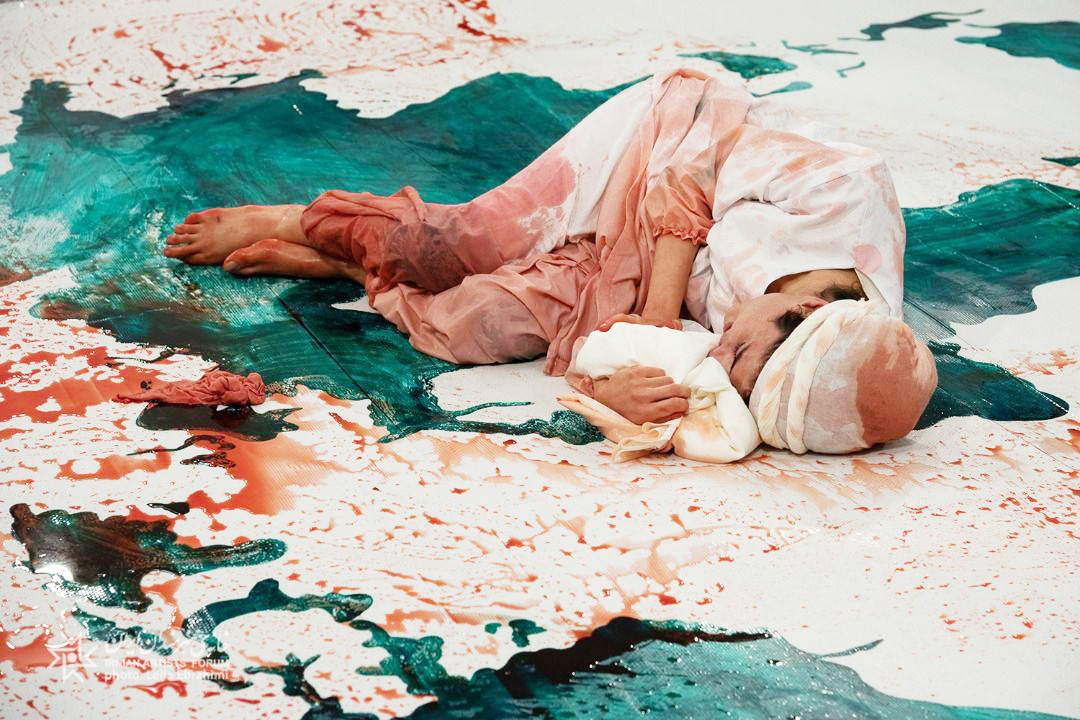
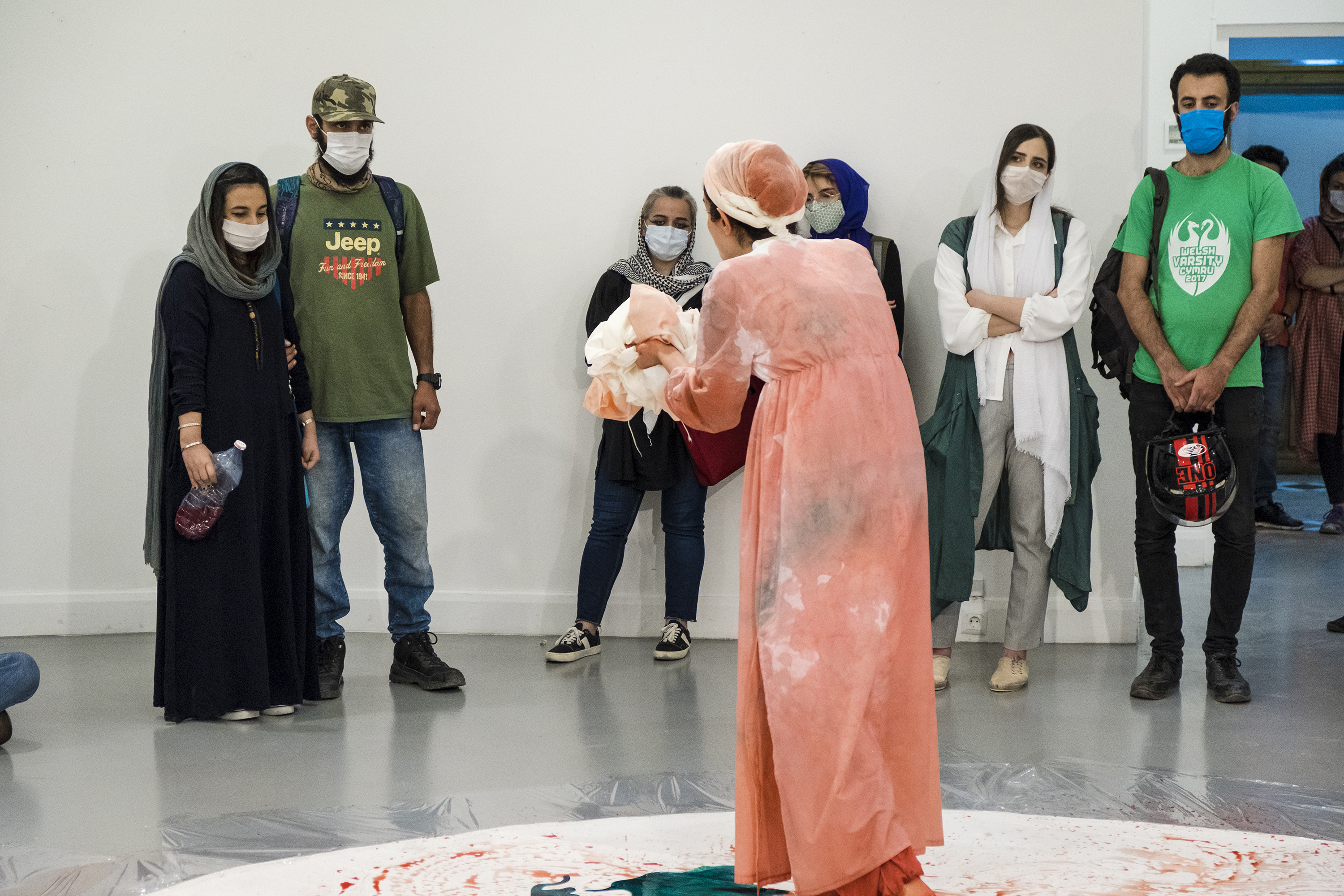
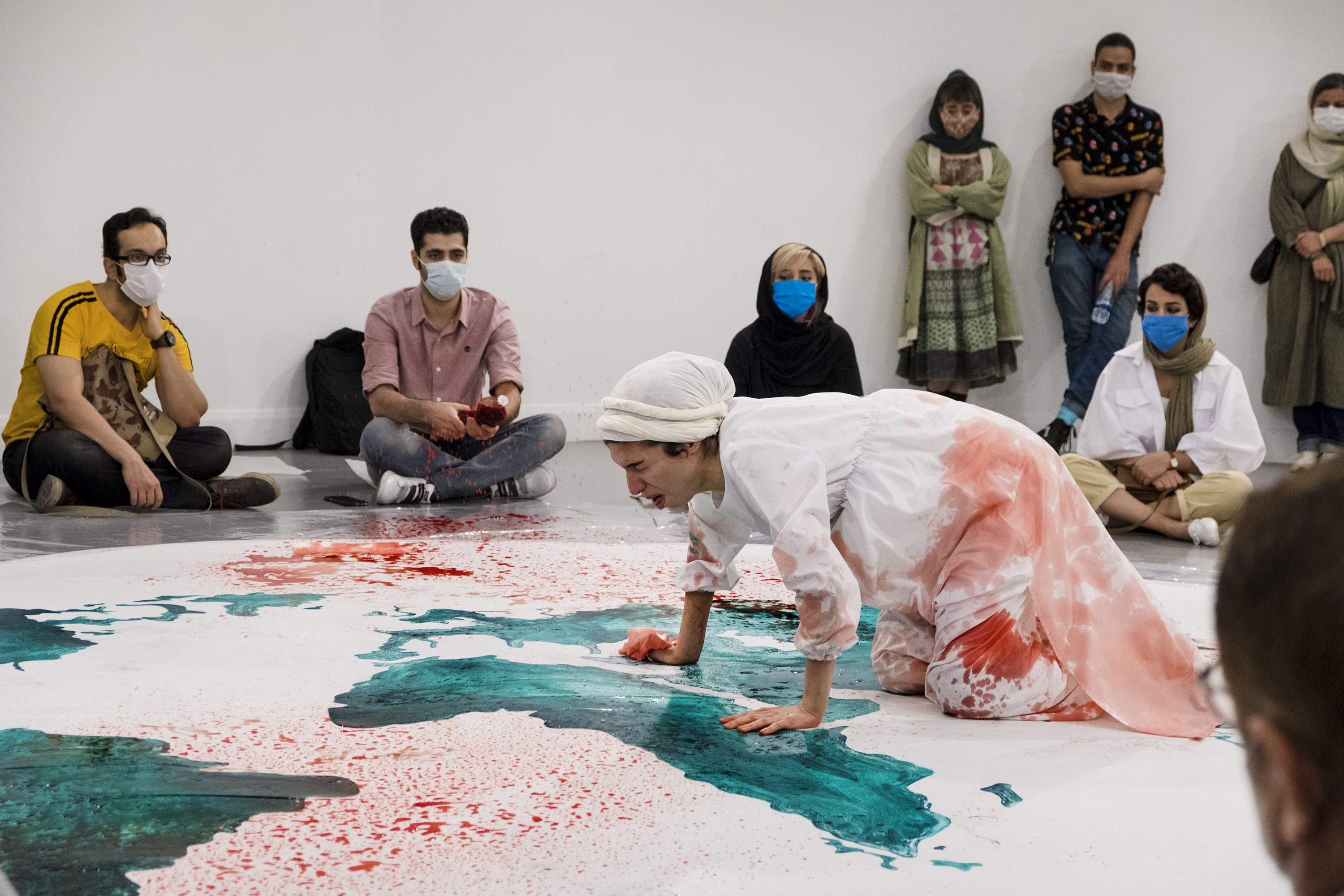
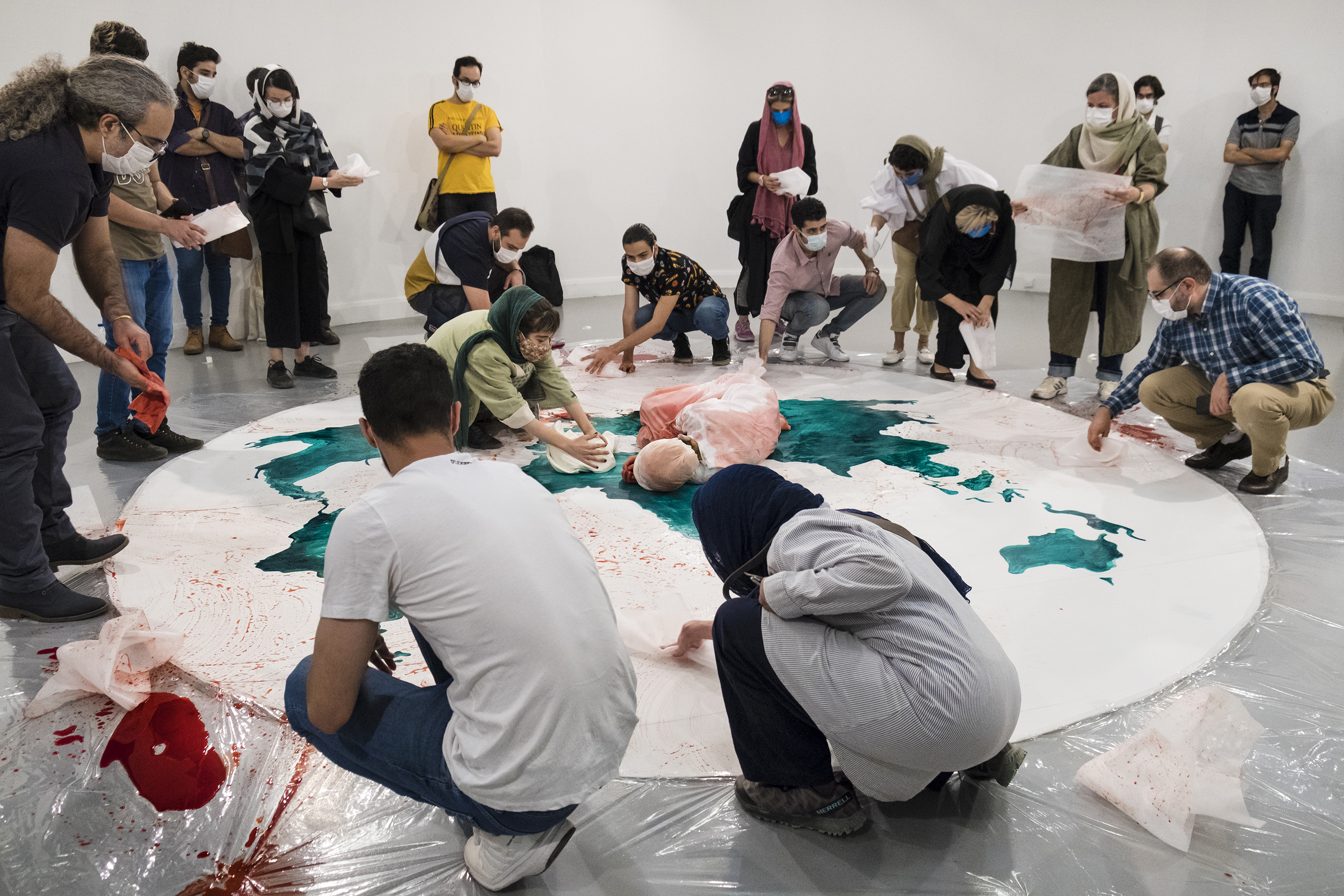
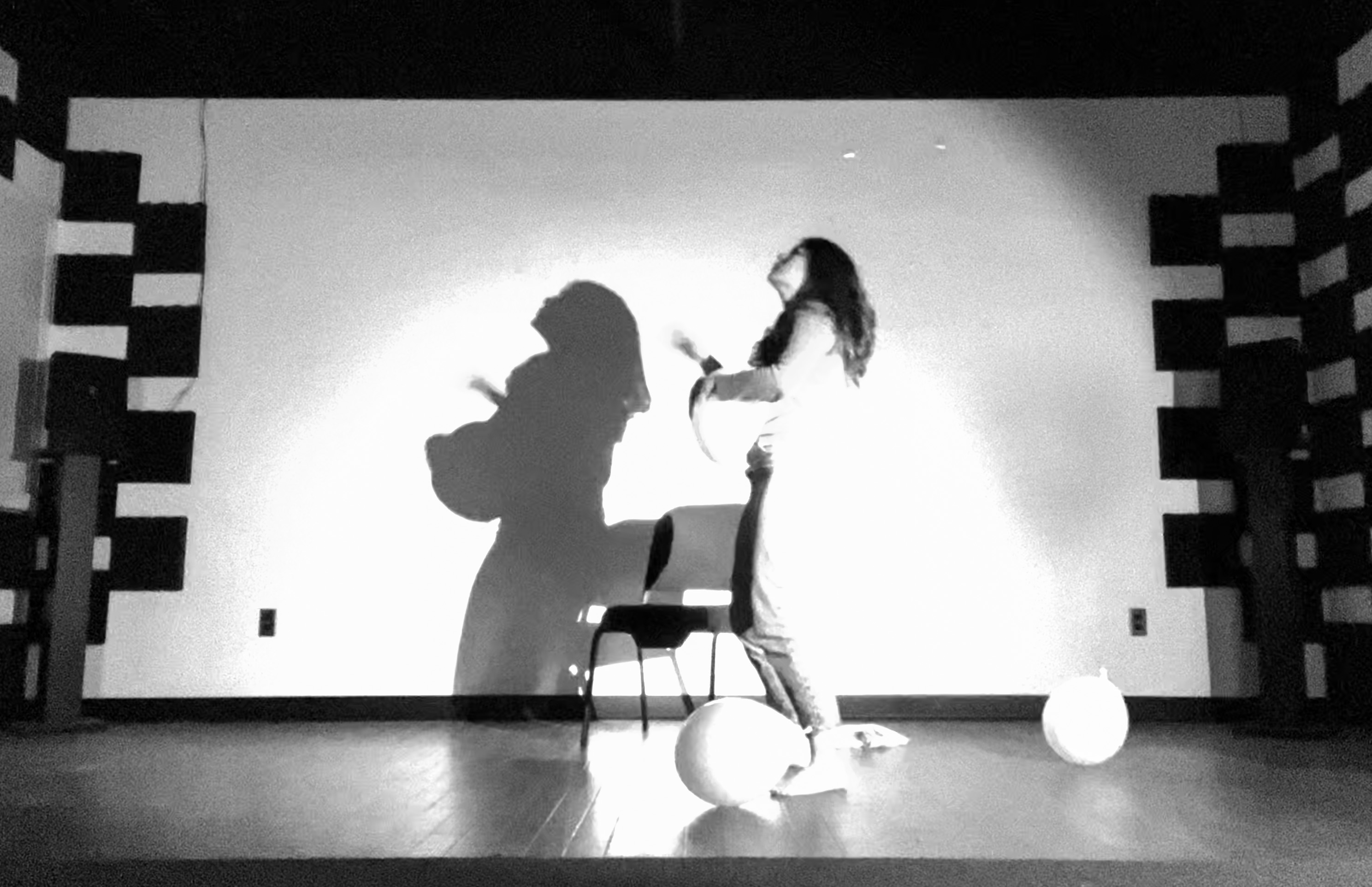
“I Am a Citizen of the Earth” Performance
Performance Description:
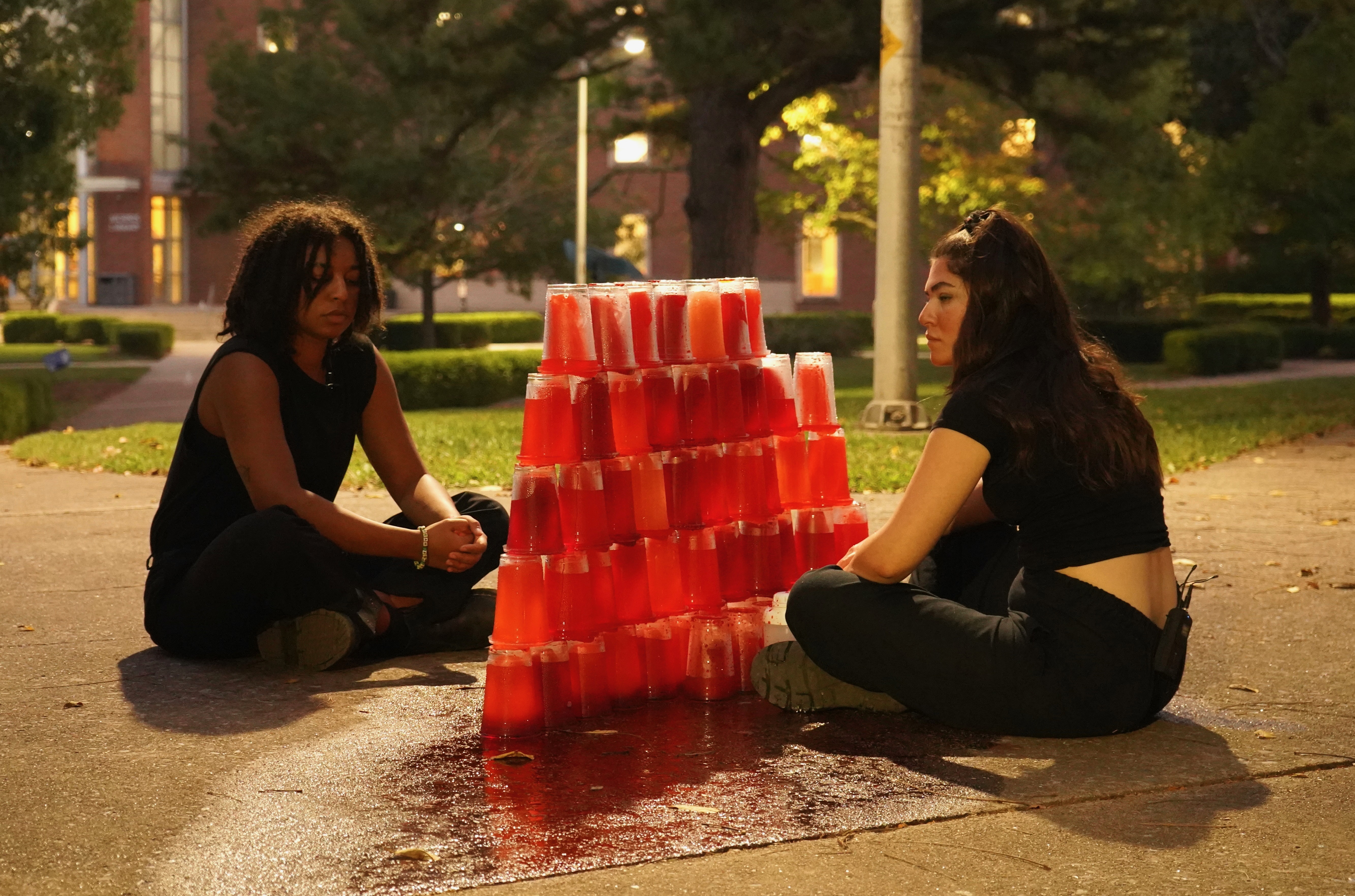
“I Am a Citizen of the Earth” is an interactive performance exploring feminine resistance and the urgent
desire for peace amid war, crisis, and global disaster. The performer enacts a symbolic act of giving
birth to peace, using the body as a site of vulnerability and defiance. Throughout the performance,
the only spoken word is “peace”—expressed in different emotional states, from desperation to hope.
Around the performer, bottles filled with red pigment represent violence and collective injury; audiences
may choose to throw these bottles, pause, or continue—becoming active participants in cycles of harm and
collective decision-making. The work questions borders, power, and the illusion of superiority that fuels
human conflict.
Conceptual Text:
People are unwell…
The Earth is unwell…
Human deaths now come from human-made disasters…
A father in war kills another father…
A spouse in war kills someone’s child…
All humans are someone’s mother, child, father, spouse, or friend, and no one is superior to another…
The reason for killing or oppressing another is nothing but an illusion…
My country is the Earth…
And I am a citizen of the world…
“Borders were defined by others.”
“Here” Performance
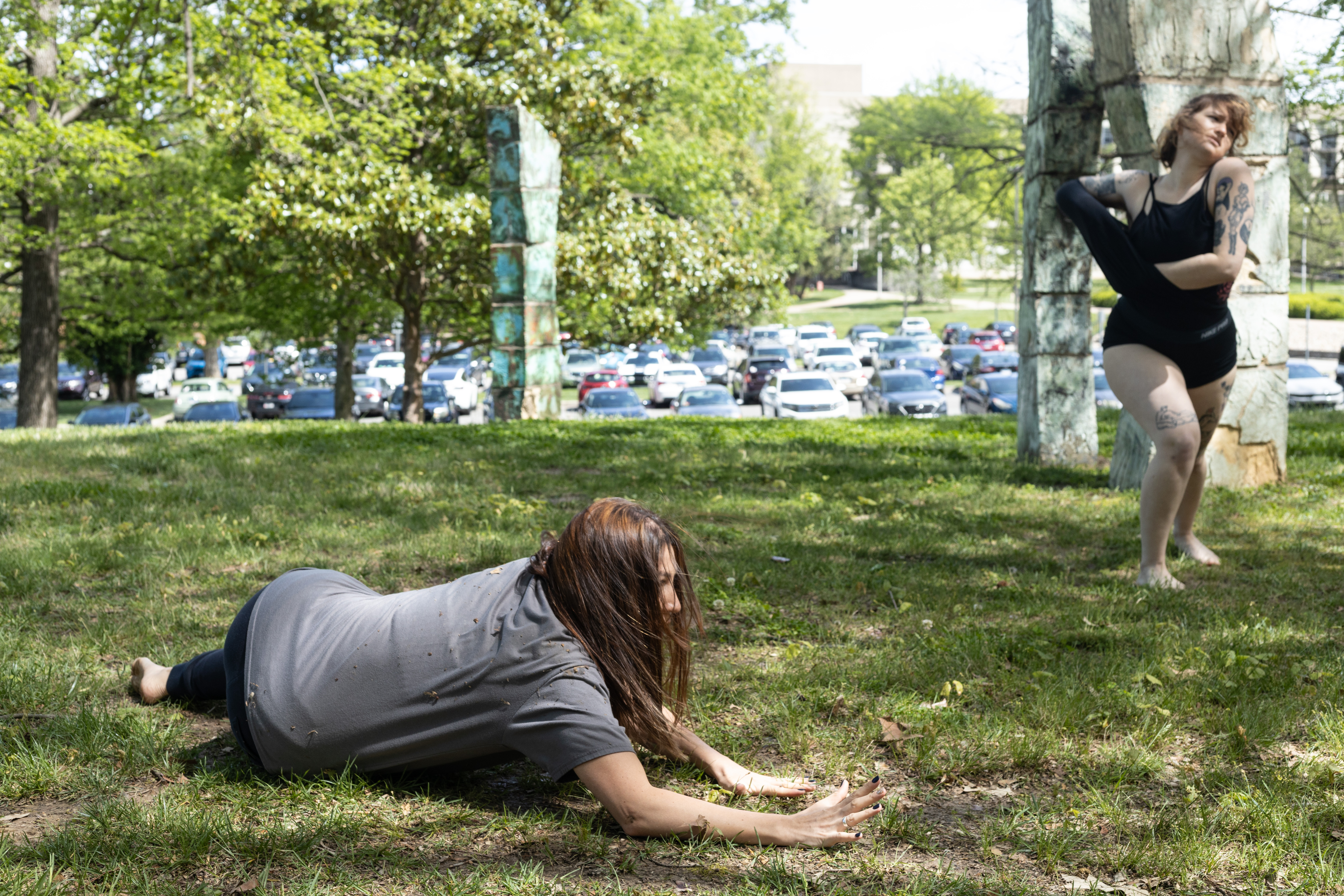
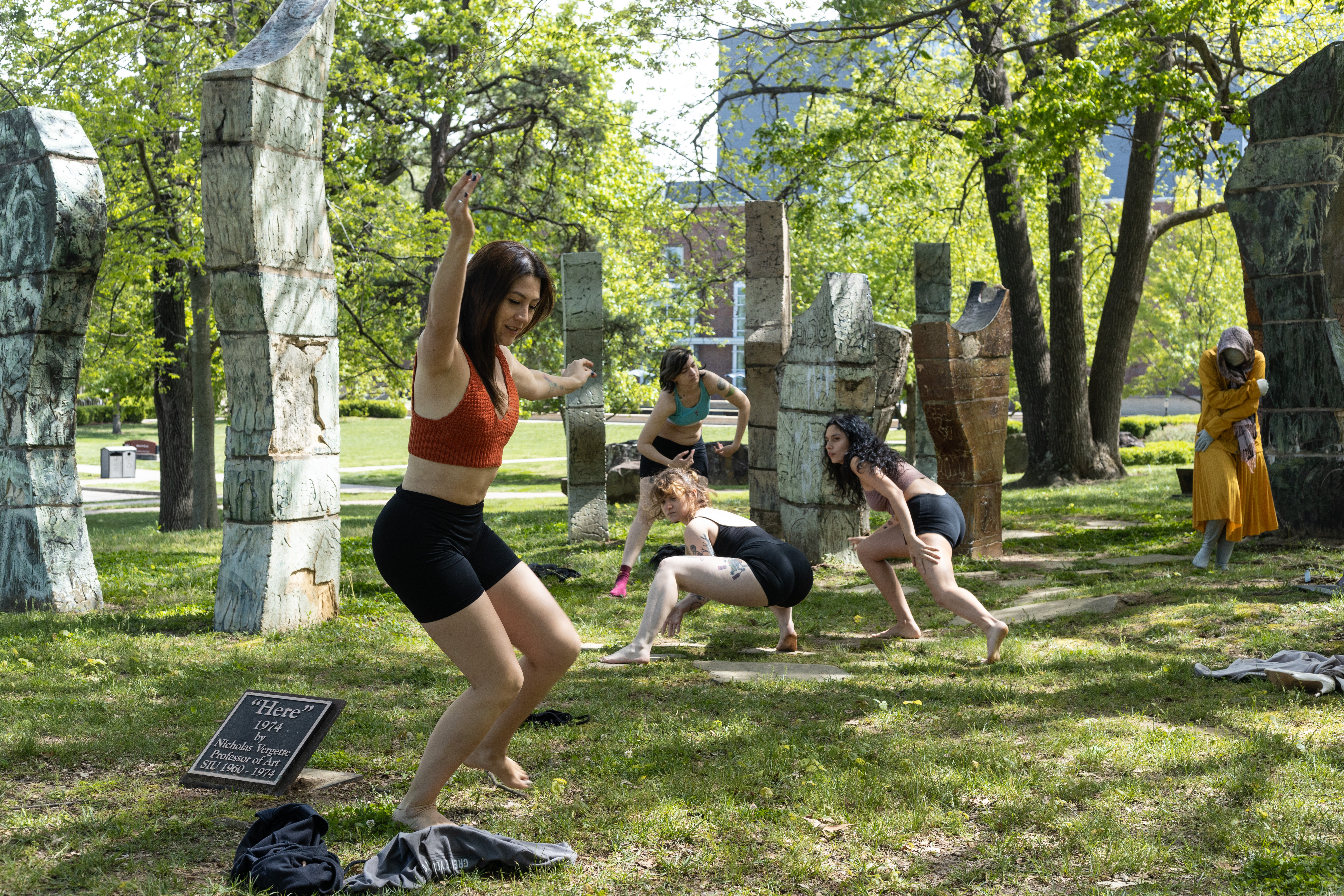
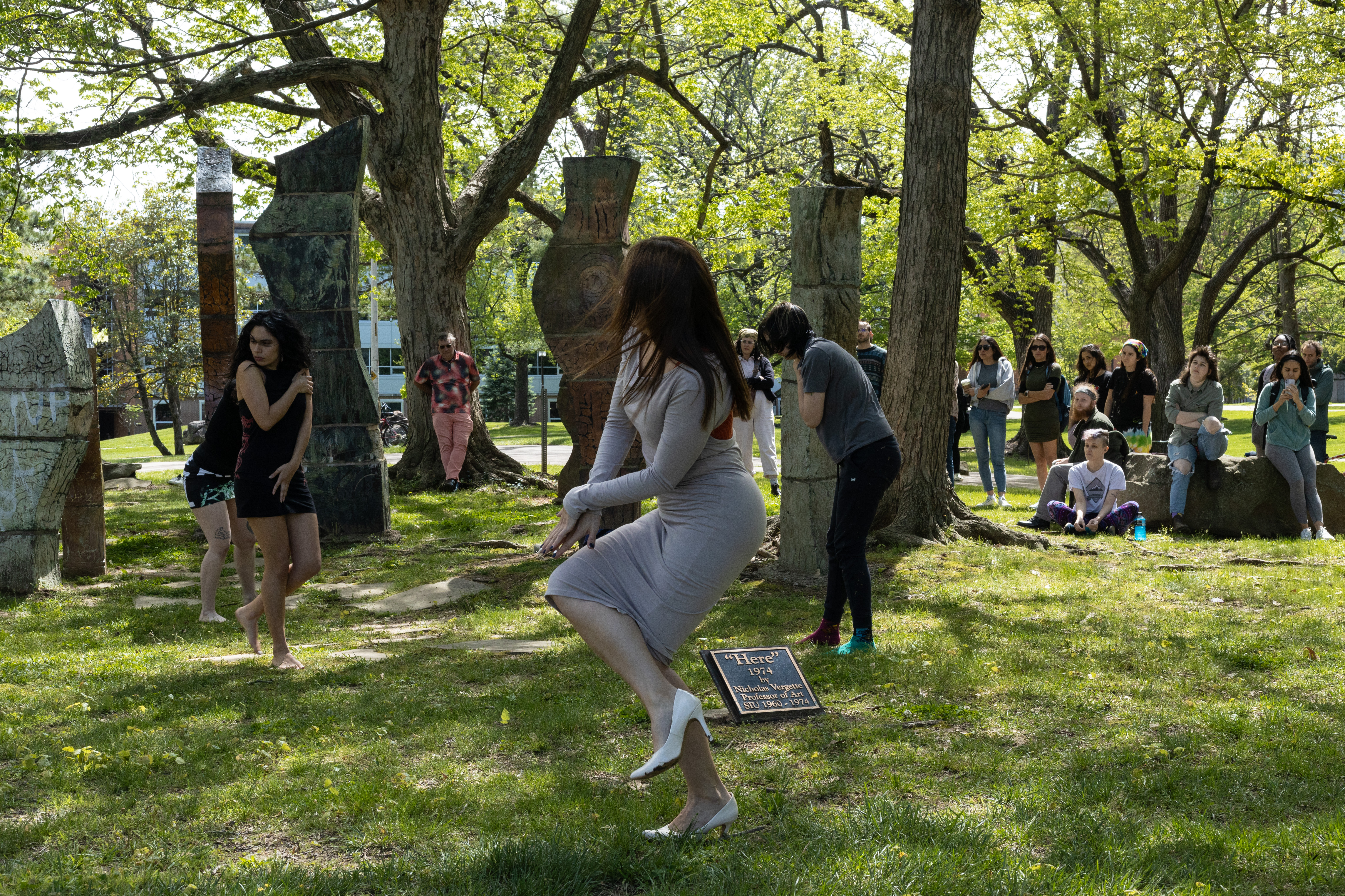
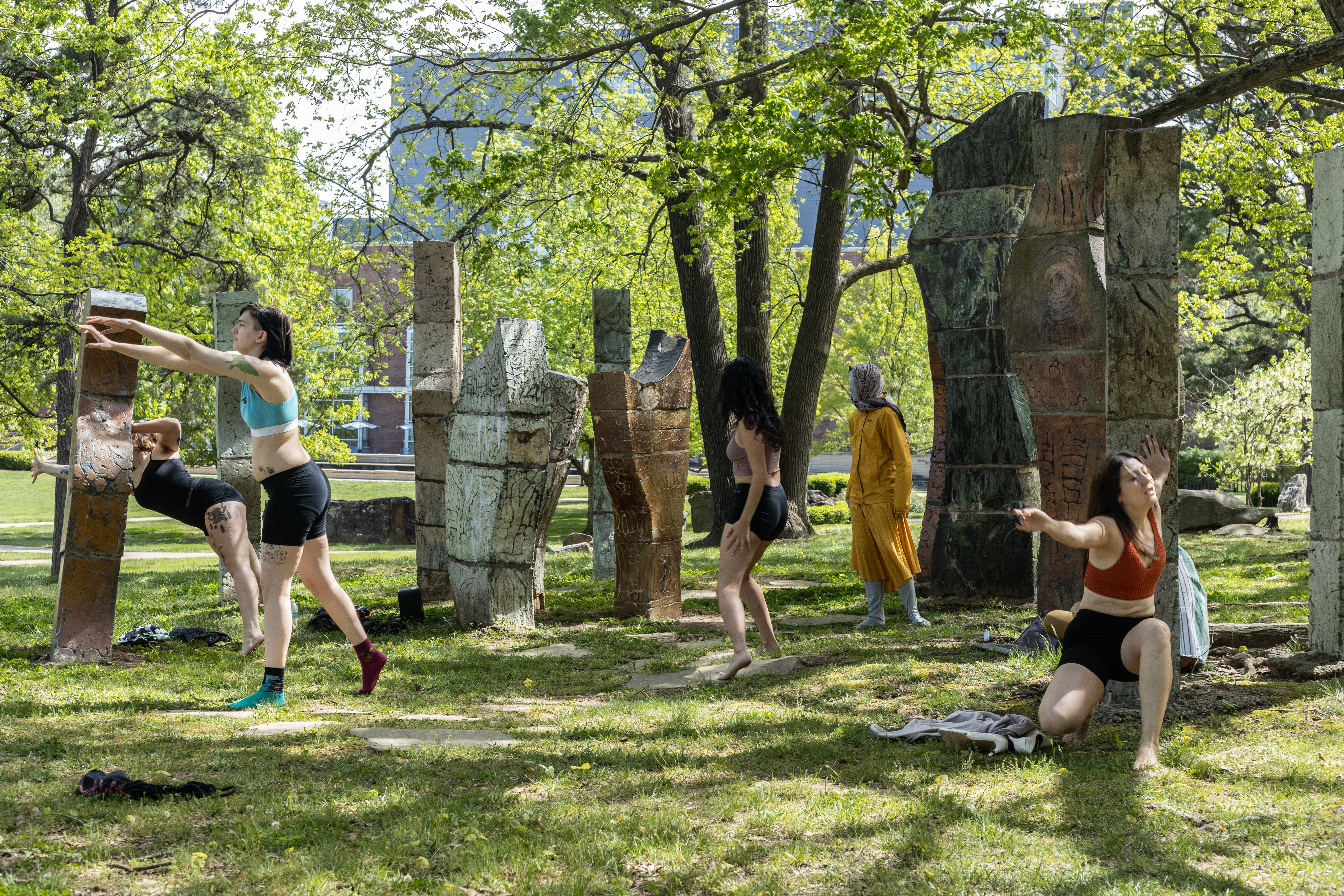
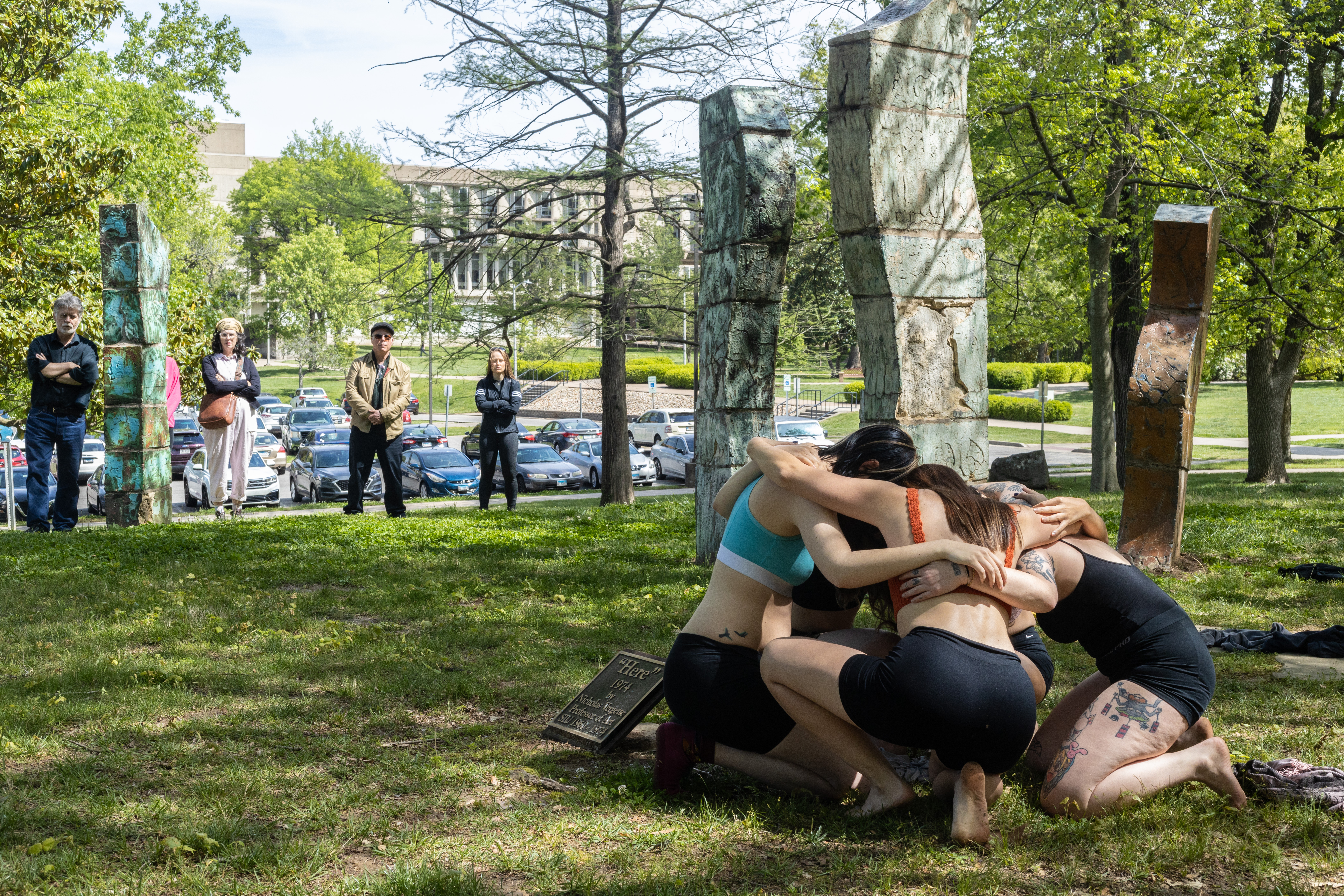
Here is a participatory performance examining trauma exchange, gendered labels, and the social, cultural,
and religious pressures placed on individuals. Four performers exchange garments to step into each
other’s shoes, using movement to explore how imposed labels shift, weigh on the body, and find moments
of relief through collective action. A sound collage composed from the performers’ recorded real-life
reflections accompanied the performance and is available on the website after the images. Presented
within Nicholas Vergette’s installation, the work combines verbal and non-verbal interaction to highlight
how societal expectations shape and restrict embodied experience.
“Our Echo” — Experimental Video
Our Echo is an experimental video and sound work exploring mirrors as symbols of connection and shared
human origins. Informed by the idea of mirror neurons, the piece considers how empathy and resonance move
between people much like shared strands of DNA. The sound incorporates the word “mother” in several
linguistically related languages, revealing hidden links across cultures. Though not always visible, the
mirror’s presence shapes the work’s structure and extends ideas from a related performance. Our Echo was
presented at the Translations: Creative Research in the Media Arts event at the Saint Louis Art Museum.
“The Other” Performance
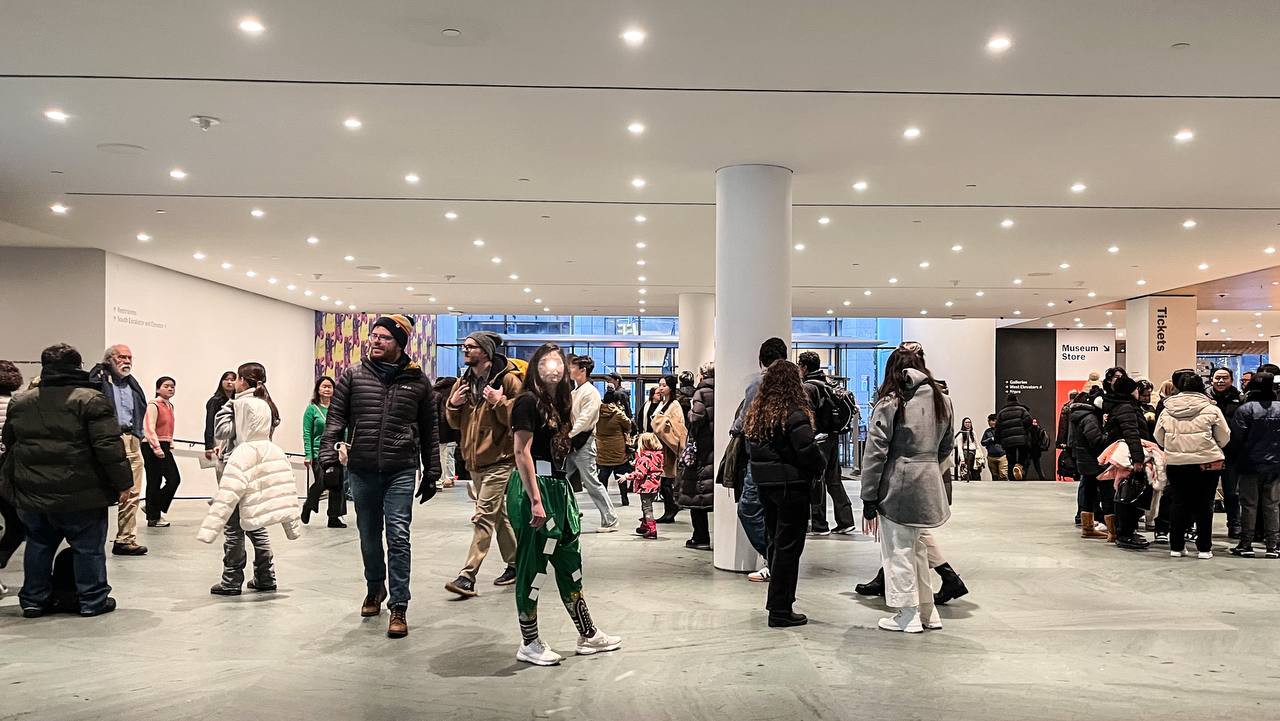
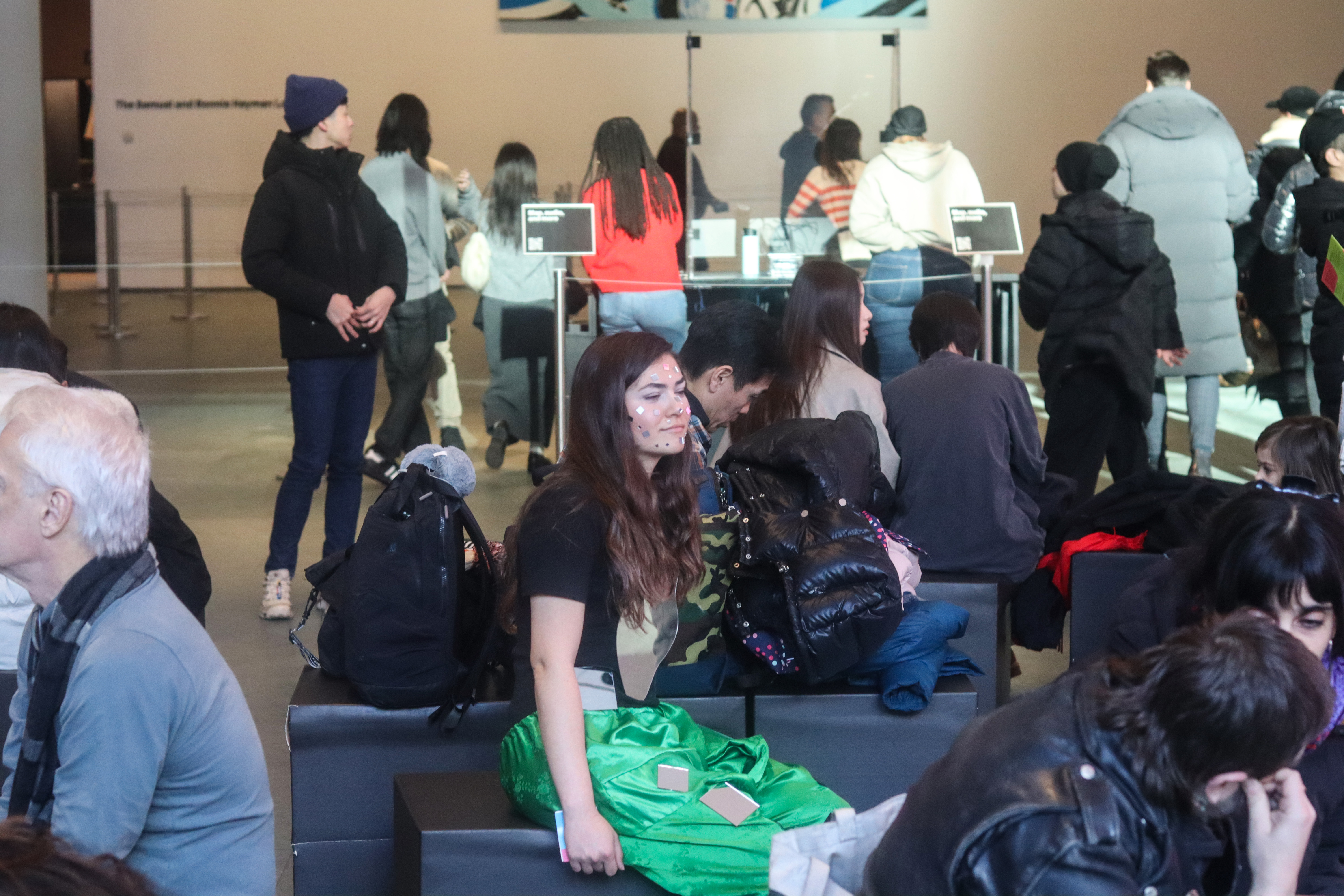
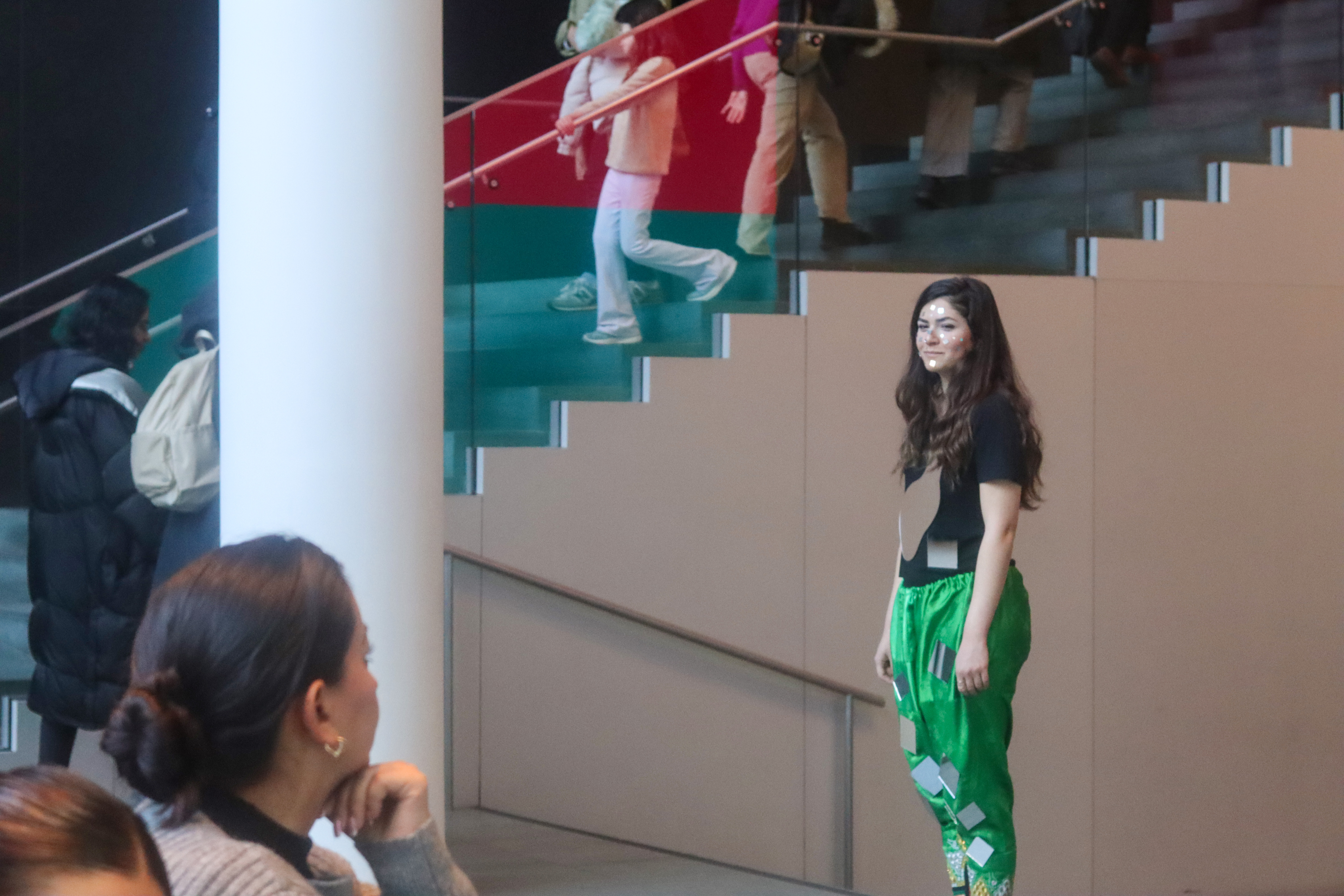
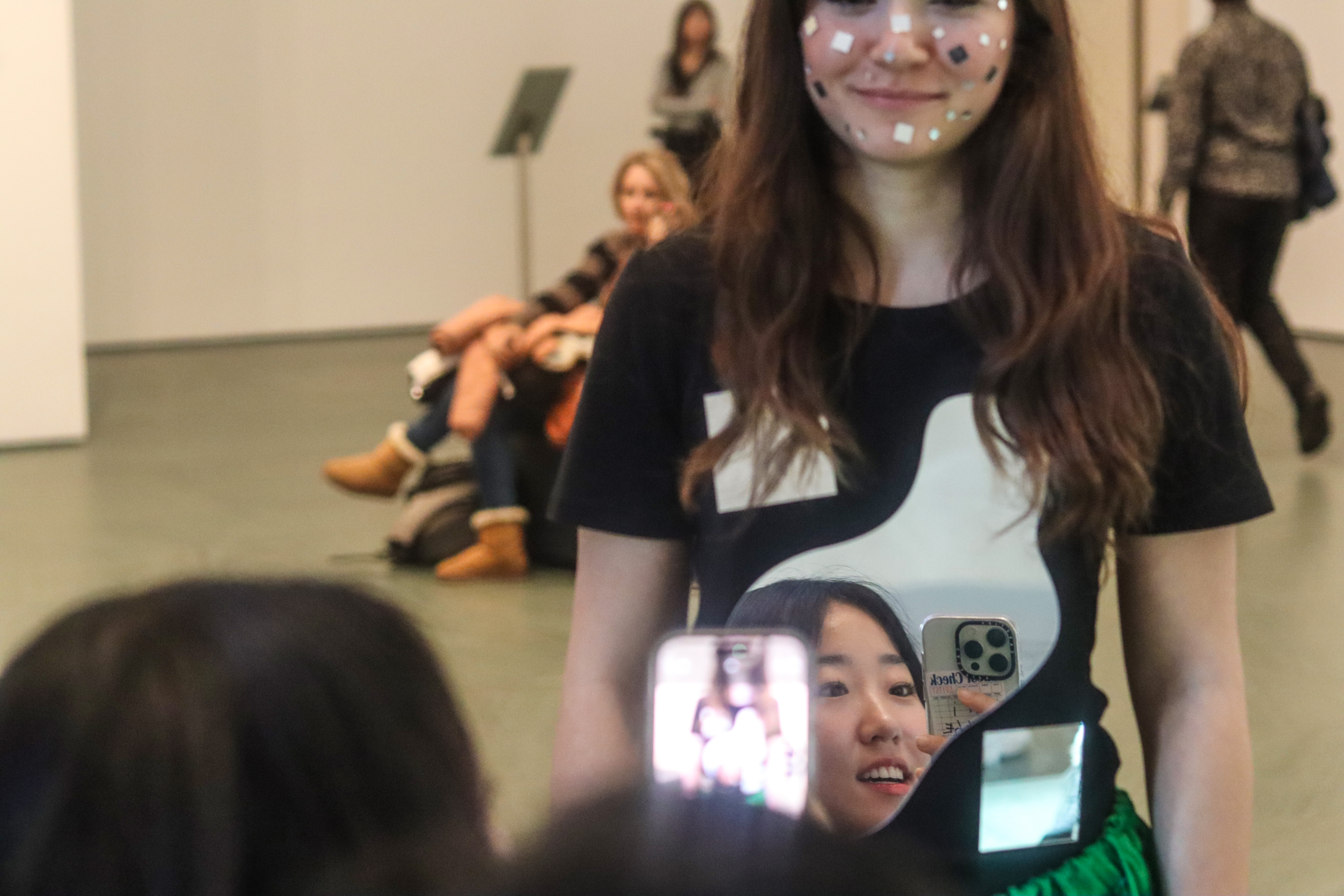
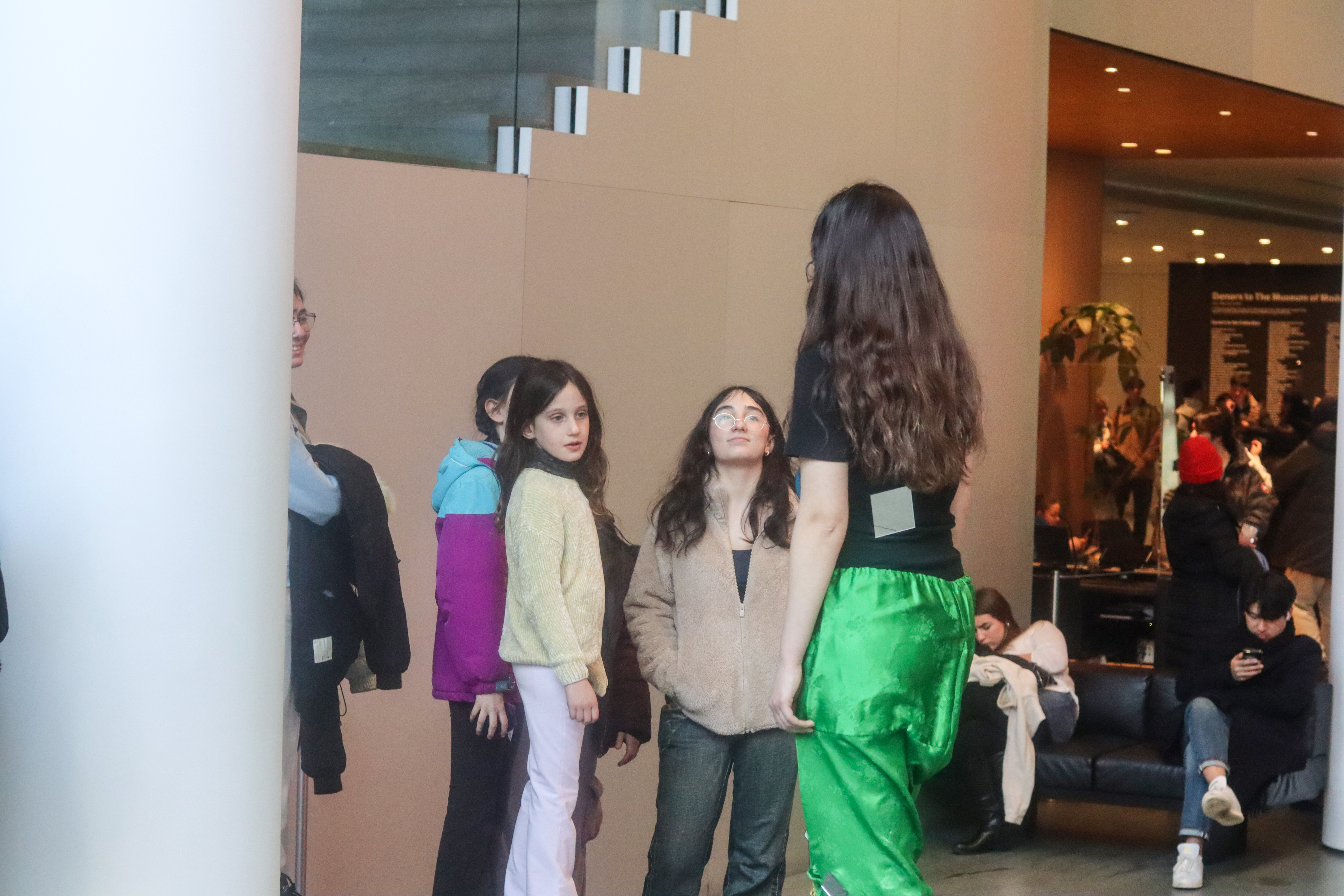
The Other is an unscripted mirror-based performance presented at MoMA, using reflection and direct
encounter to question the boundary between self and other. Wearing a garment covered in mirrors, I moved
through public spaces and invited viewers to see fragments of themselves and their surroundings reflected
back. Informed by ideas from Said, Sartre, and Joan Jonas, the work considers how political, gendered, and
geographical notions of “otherness” shape perception. The shifting reflections created brief, silent
exchanges that opened space for empathy and shared presence. Through this simple walk, the piece
challenged the distance we maintain in urban environments and the fragile boundaries that divide us.
“Saba Packed Her Possessions” Sound Track
Saba Packed Her Possessions is an experimental video and sound work about displacement,
memory, and the emotional weight of living between geographies. Centered on the act of packing as an
archive of migration, the piece explores how objects hold identity, loss, and transition. The audio—
composed, sung, and produced by me—uses whispered, layered vocals to reflect fractured temporality
between Iran and the United States.
Poem / Vocal Text
(featured in the song and performance)
How long must the women of my land sing a lullaby for Iran?
A land of poetry turned into blood.
America at night, Iran in the morning.
America in the morning, Iran at night.
And I, caught between time and memories,
My hair entwined with the wind, rain, and soil…
I will free you with my hair.
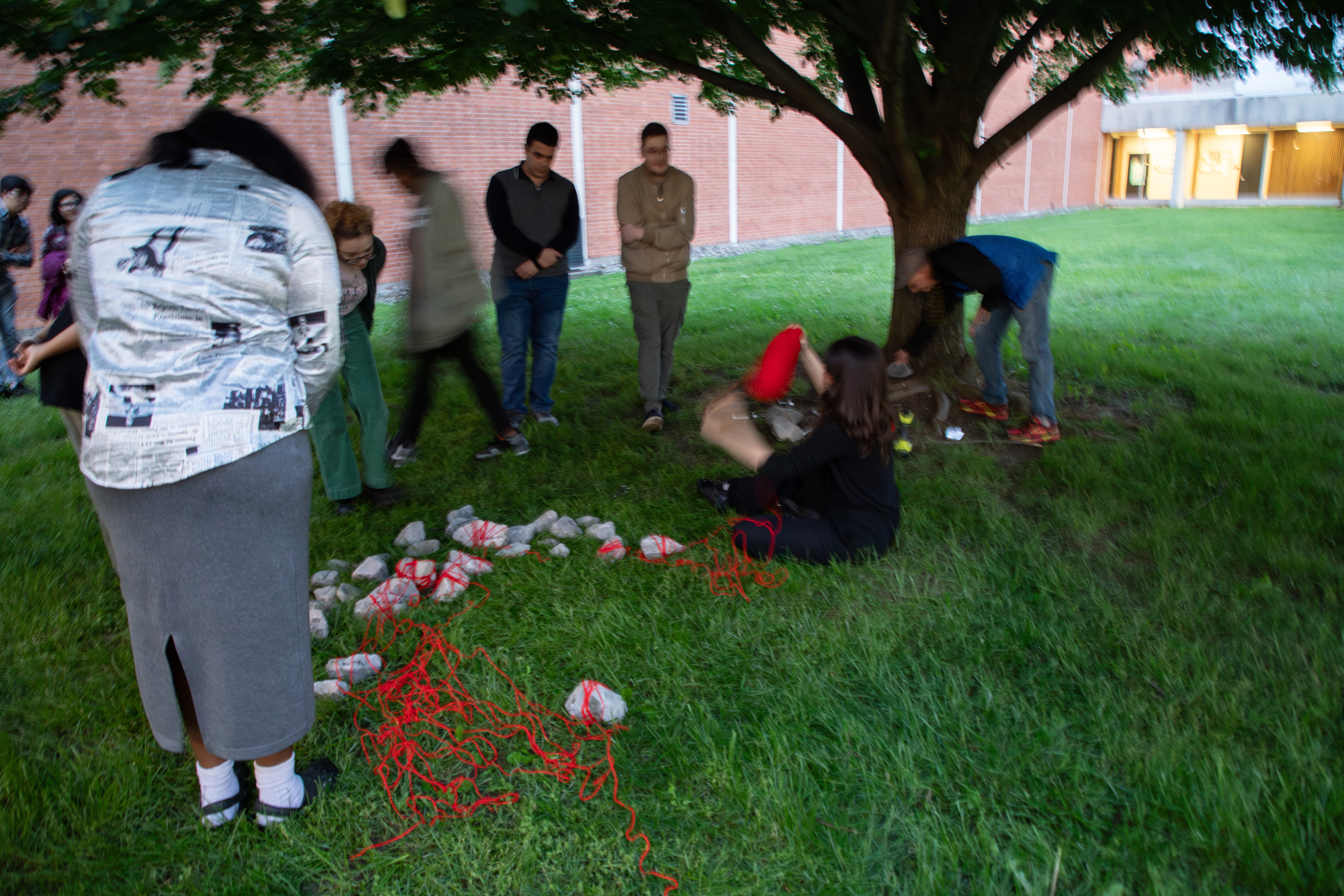
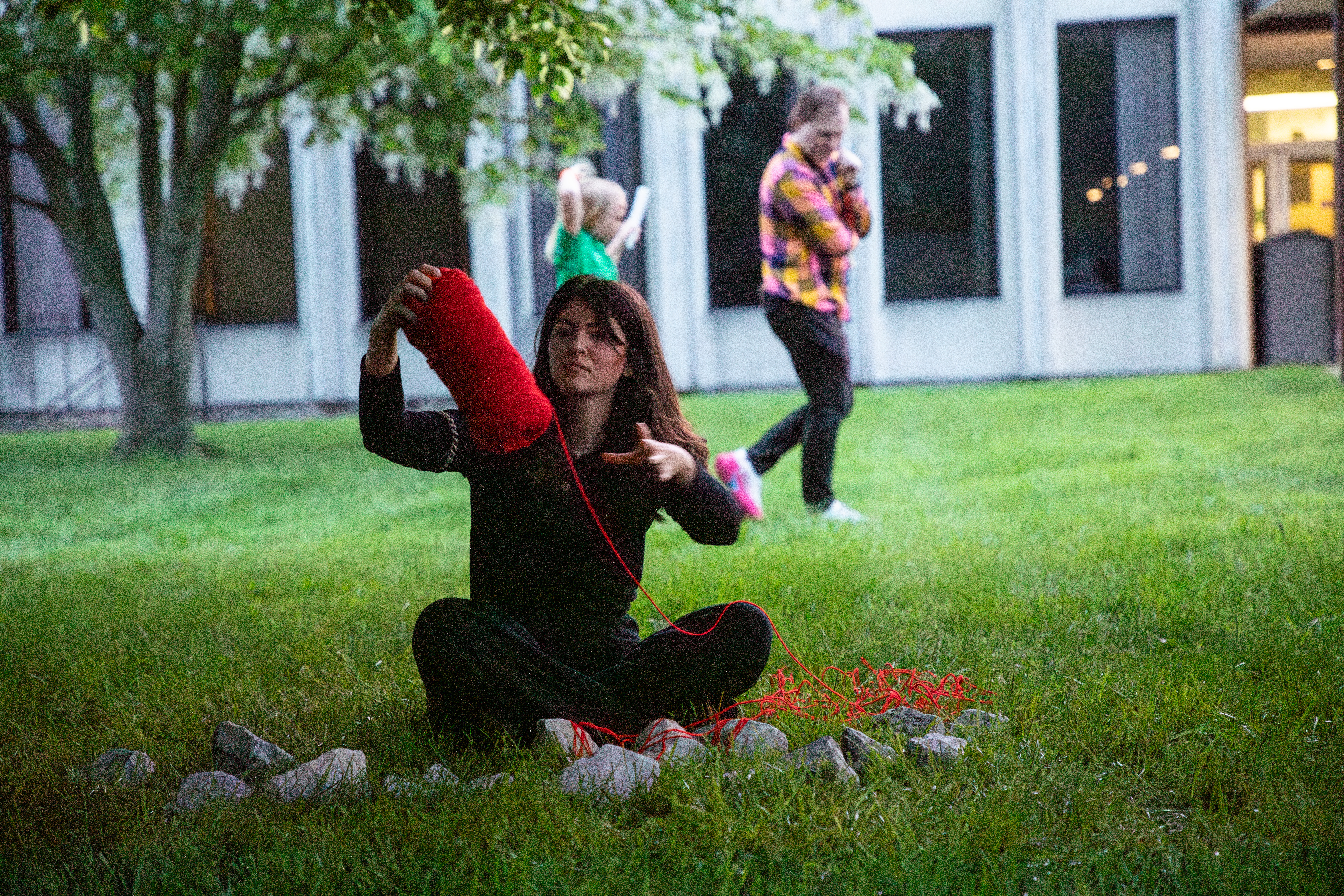
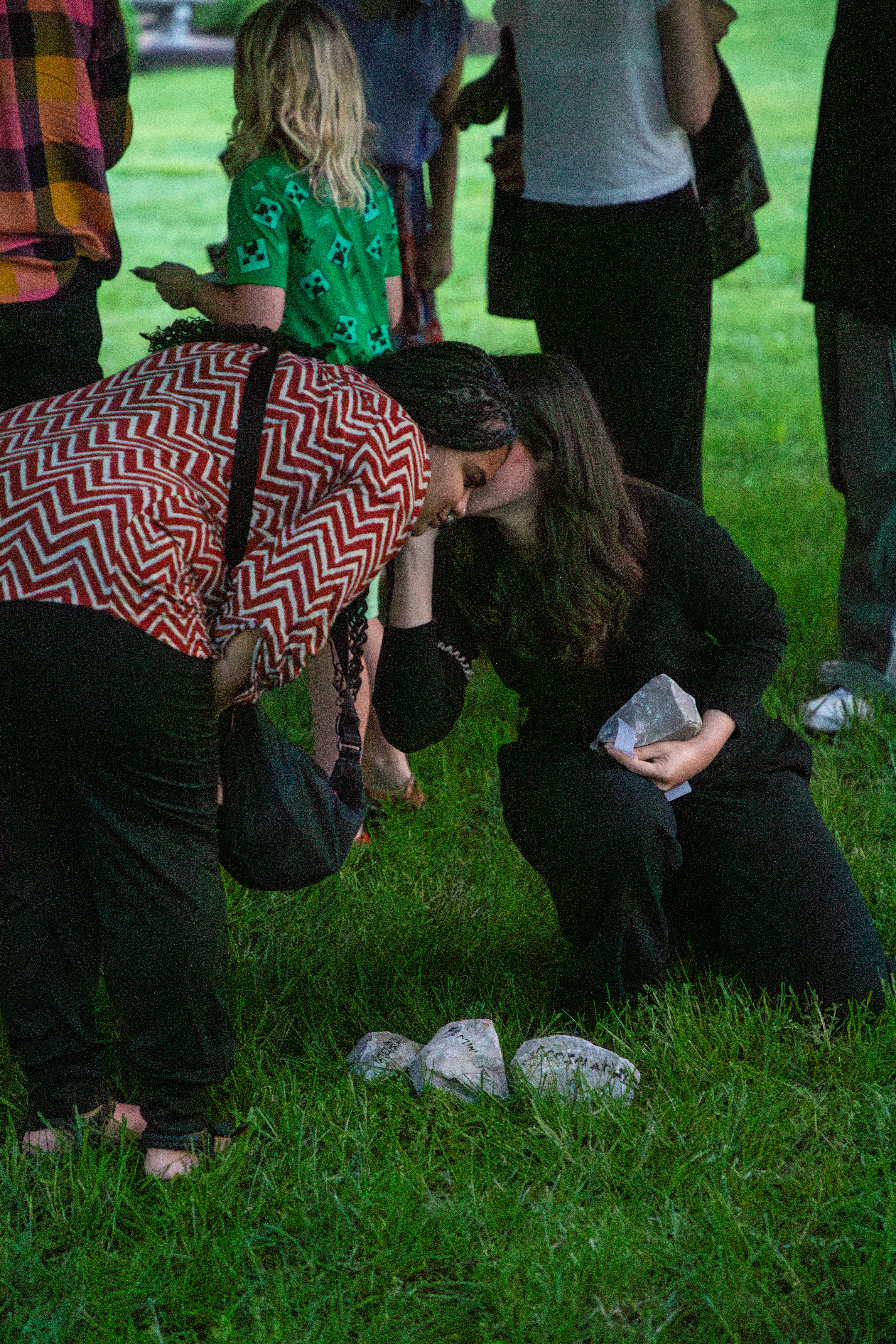
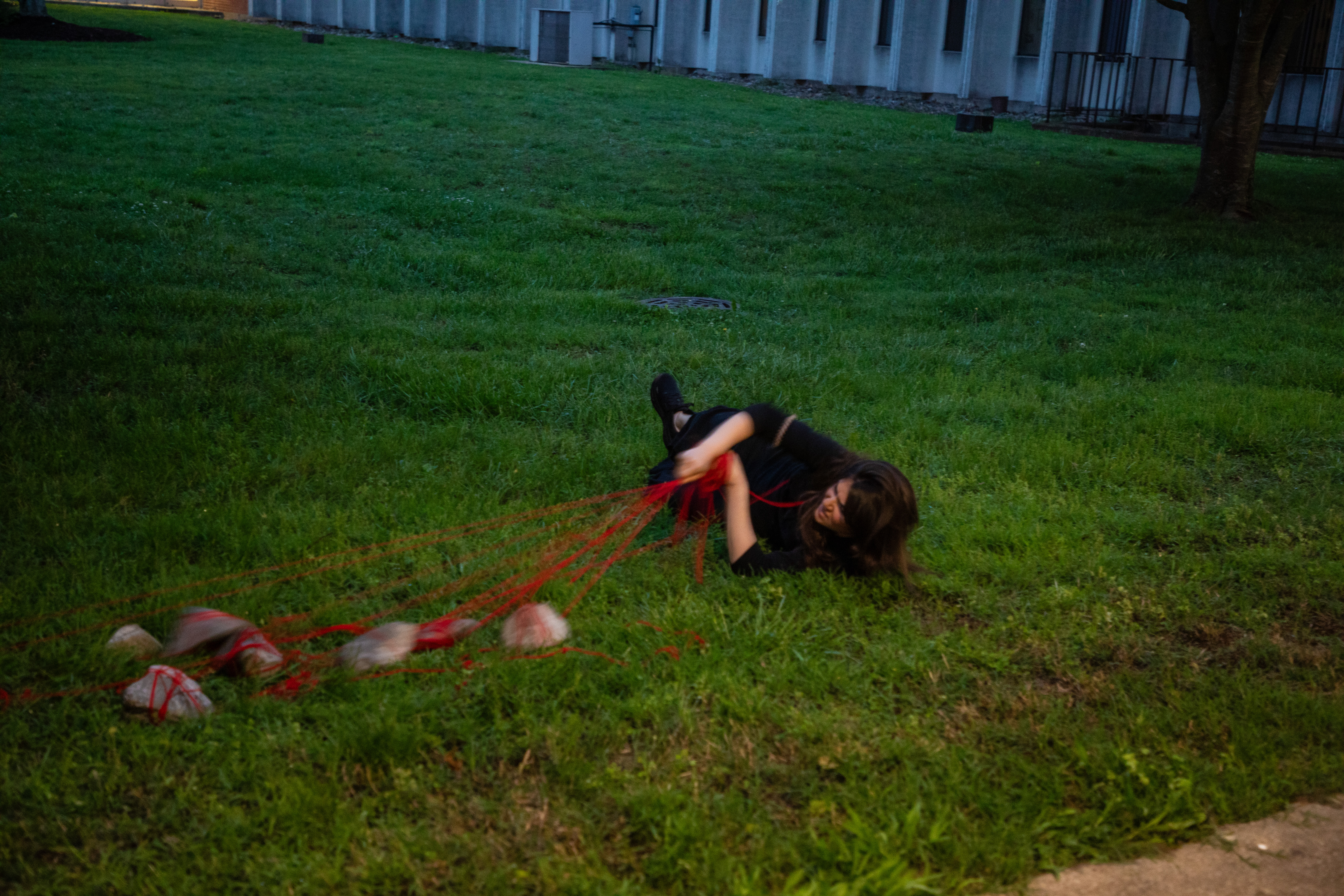
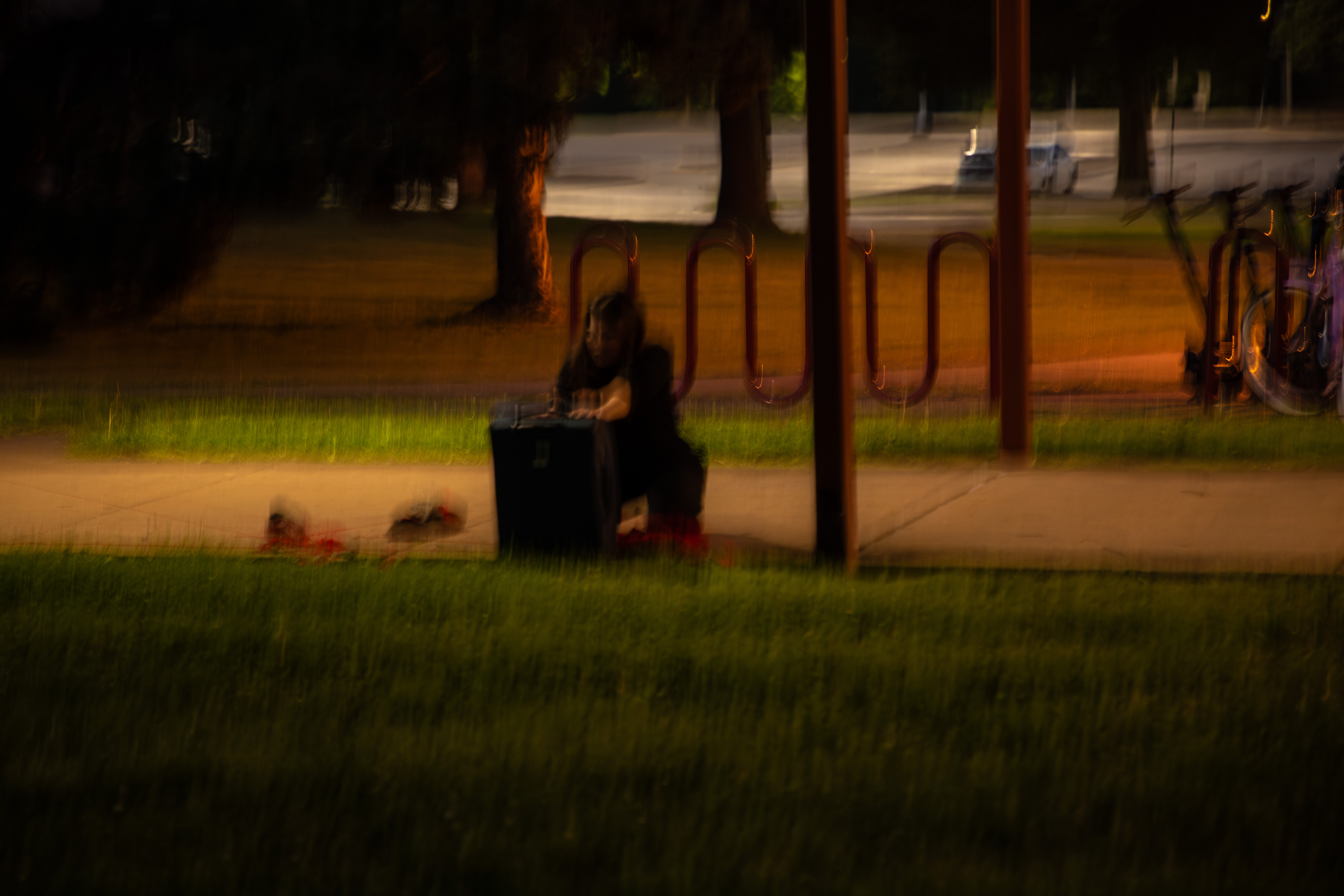
“Crustose, گلسنگ” Performance
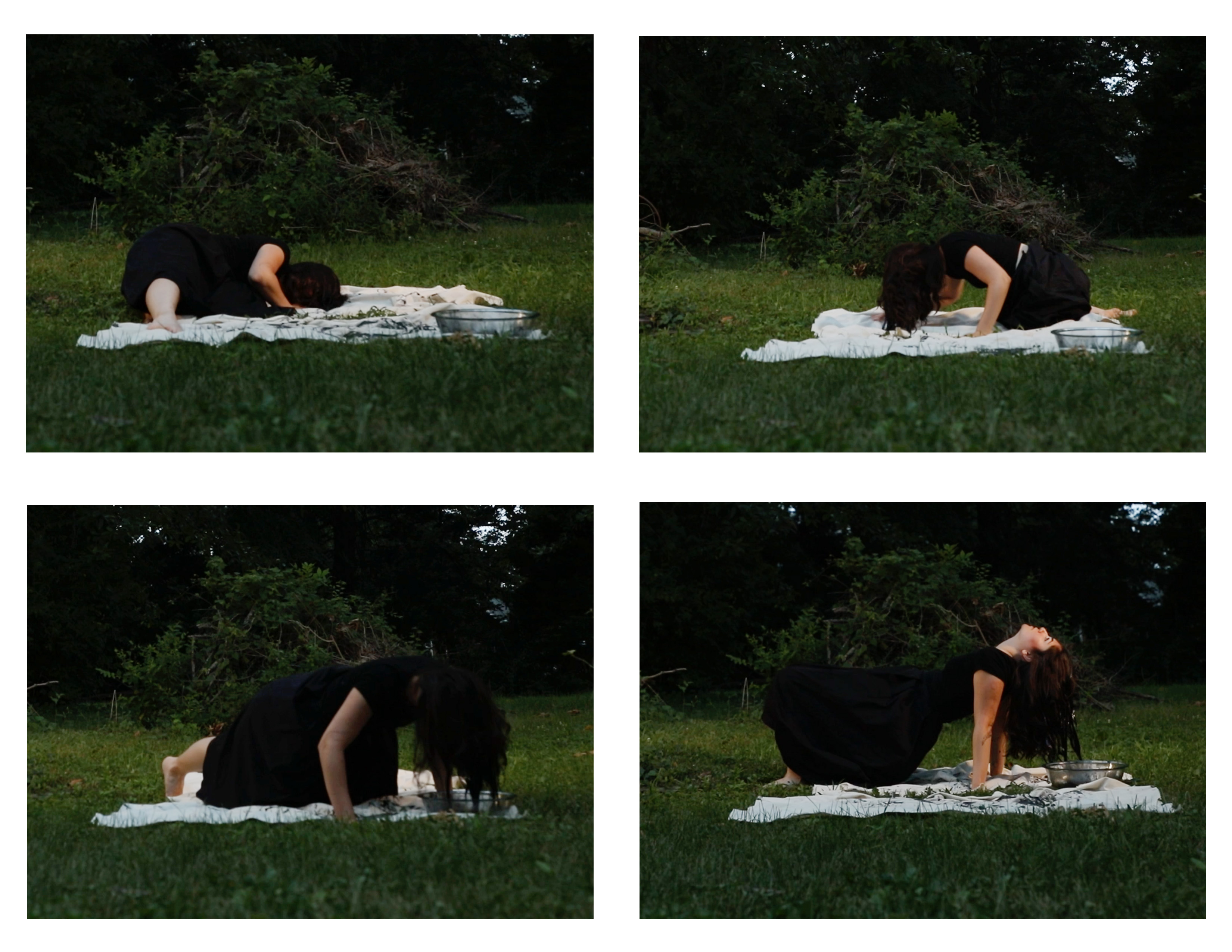
Crustose is a performance that uses crustose lichens—organisms so tightly bound to their surfaces they
cannot be removed without damage—as a metaphor for how ideology, collective trauma, displacement, and
inherited histories adhere to the body across generations. Developed for SIU’s On Slippery Grounds (2025),
the work examines the tension between ephemeral action and the permanence of social forces that shape the
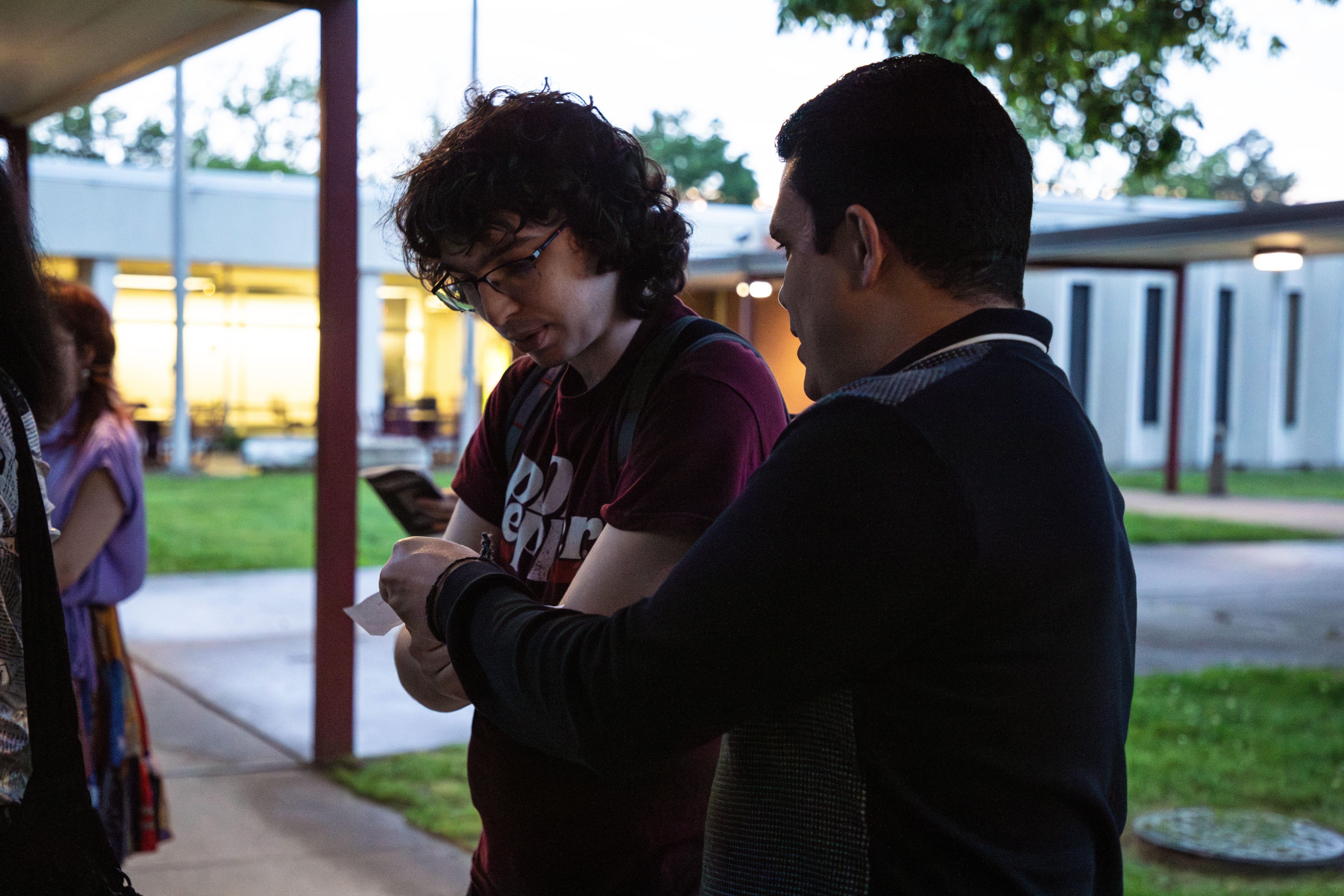
body and its strategies for survival. During the performance, audience responses to the question “What is
the ideology that burdens you?” formed an immediate archive of shared pressures, showing how deeply
embedded beliefs persist even within a transient, live encounter. Through movement, endurance, and
relational exchange, Crustose reflects on how memory is carried, transmitted, and negotiated across time.
Video Performances Documentation
“God” & “Displacement” — Video Performances
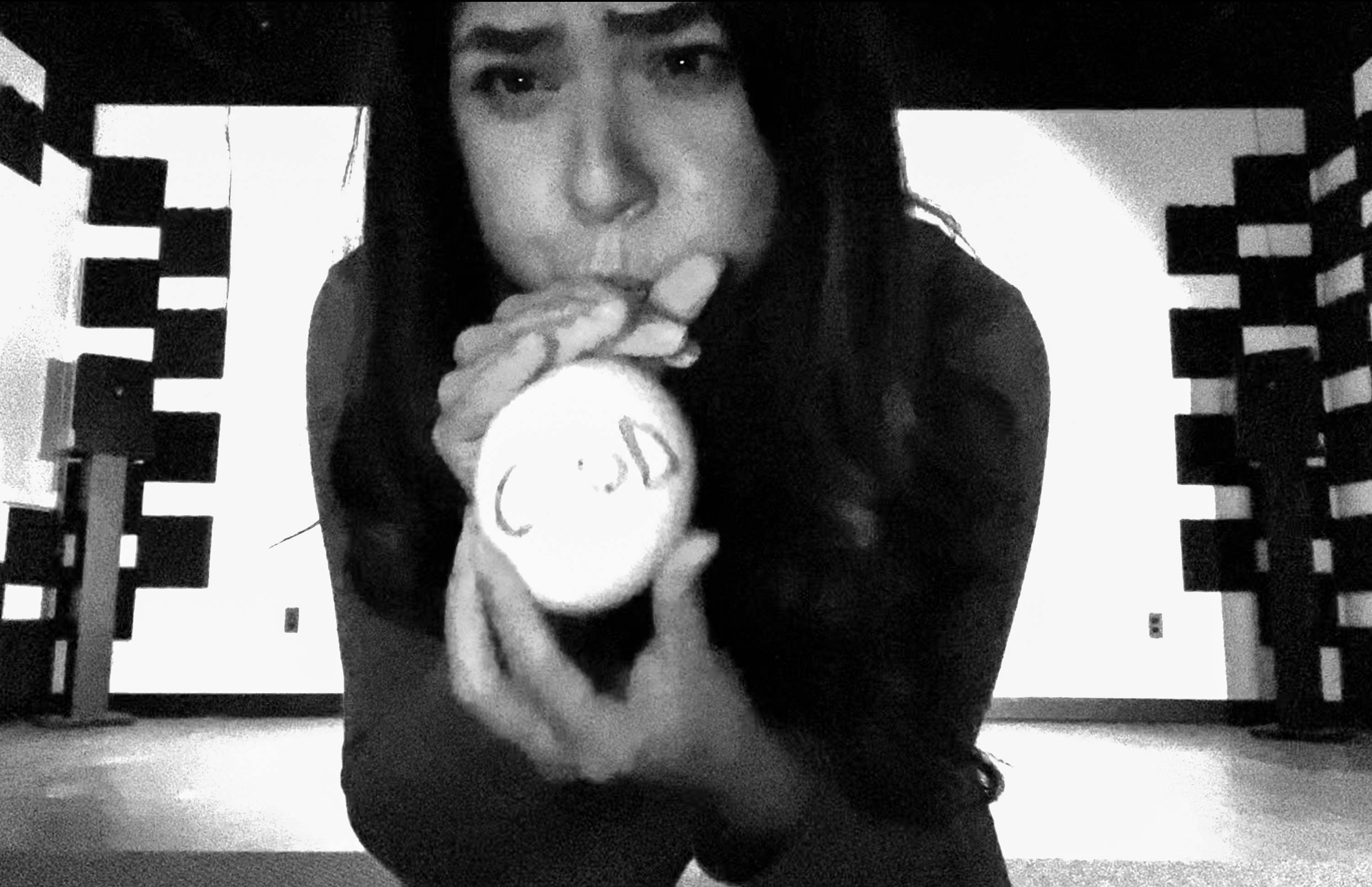
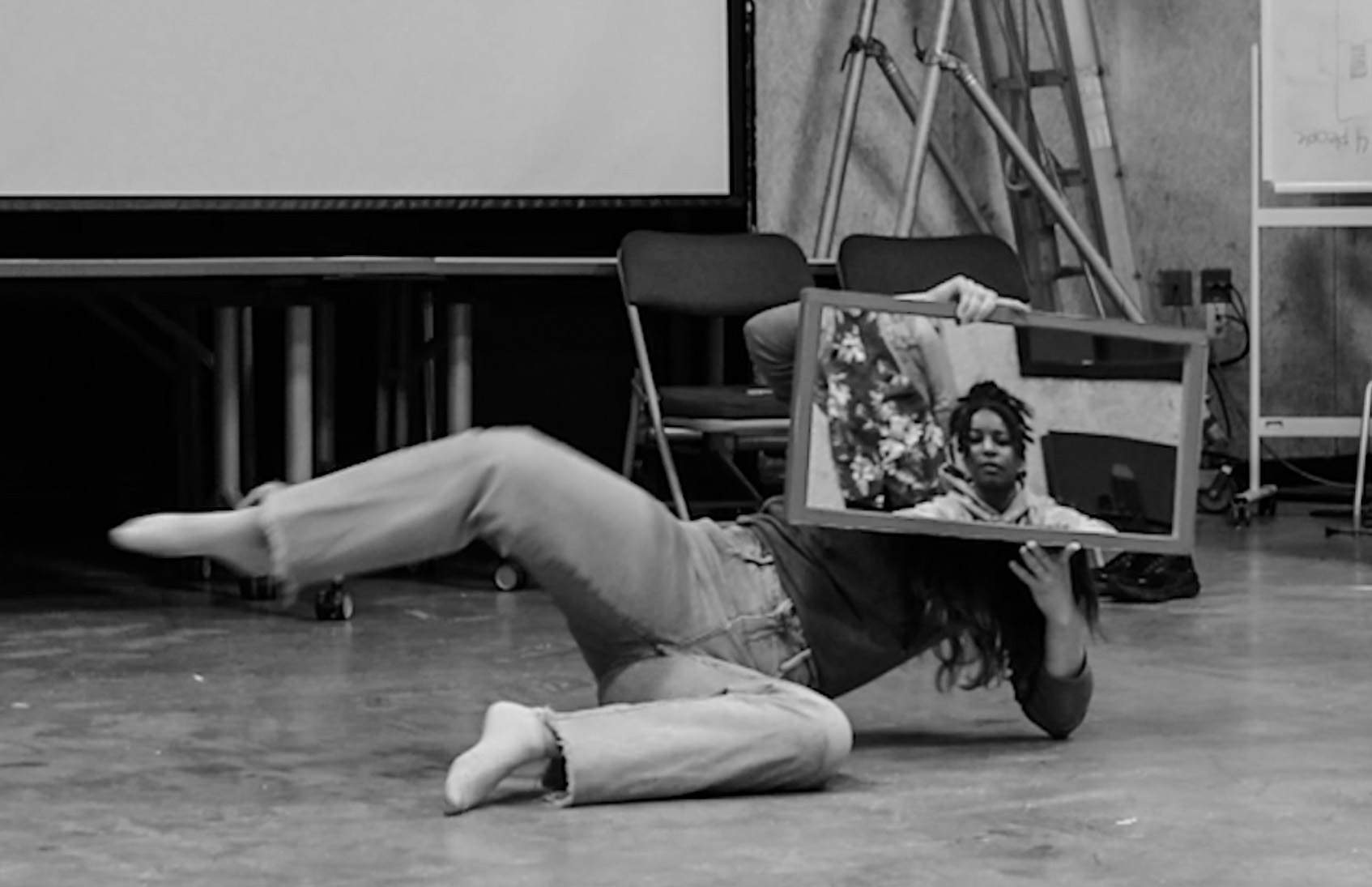
God (balloon) and Displacement (mirror) were not created to stand as major works on their own; their
significance lies in how they marked a crucial shift in my practice. These were my first solo
performances, where I pushed my expression and physically challenged my body after years of cultural
and gendered oppression that had restricted its visibility and movement. In God, the balloon becomes a
temporary organ for breath and voice until it ruptures, exposing tension, fragility, and intensity.
In Displacement, reversing the visibility of face and body reveals the paradoxes of constraint and
freedom shaped by my past environment. Together, these works expanded my metaphorical vocabulary and
paved the way for the development of Crustose, where these ideas evolved into deeper engagement with
ideology, embodiment, and endurance.
“Elegy I, II, III”
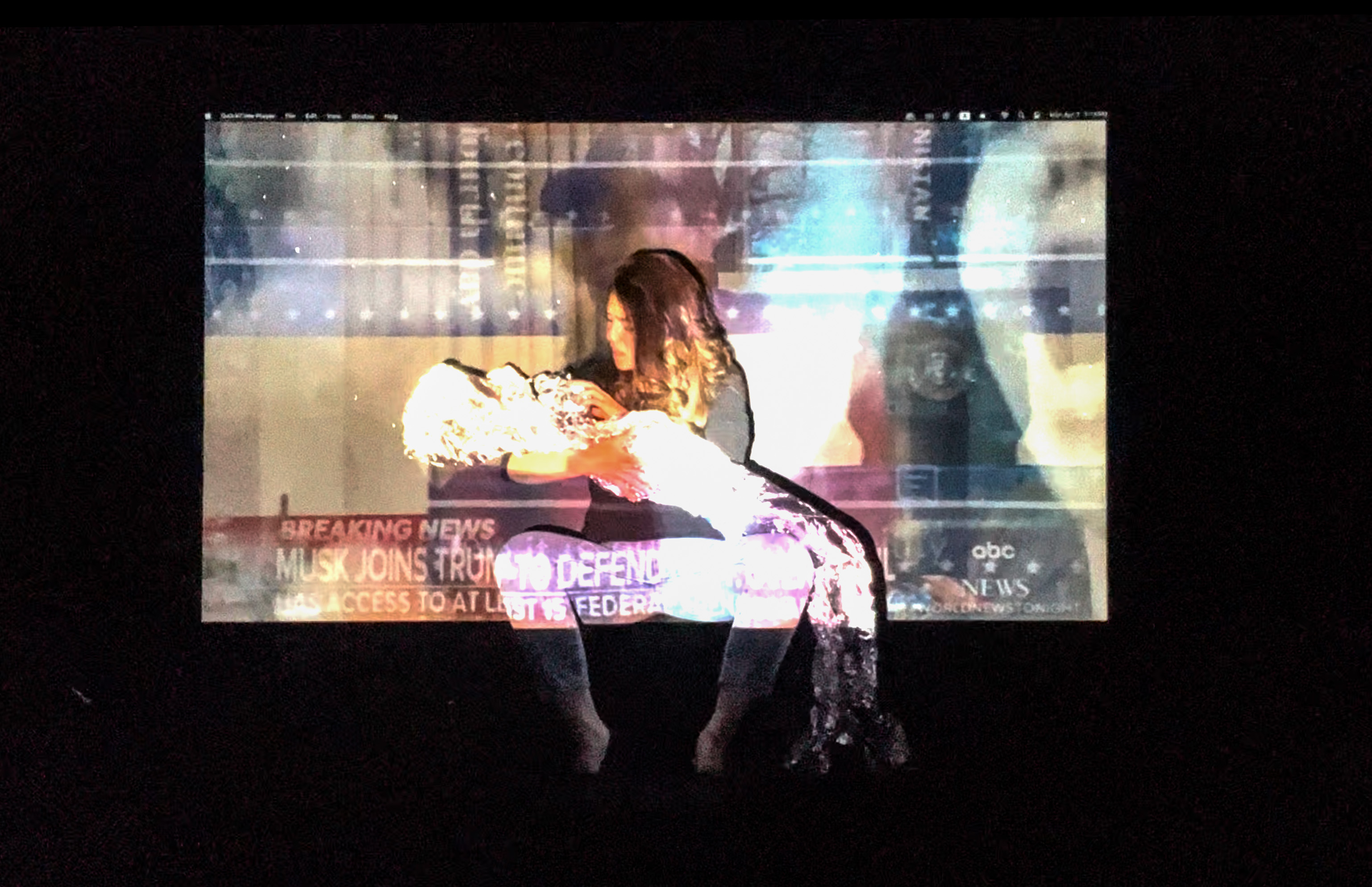
The Elegy for Iran series expands the material vocabulary I began in God and Displacement, using foil,
sound, charcoal, and hair as metaphors to examine petro-politics, gendered precarity, and the poetics
of mourning. In Elegy I, aluminum foil shifts between hijab, Pietà-like form, death shroud, and
reflective surface, while conflicting political news footage is video-collaged and projected onto my
body, exposing tension between mediated crisis and lived experience. Created during the war in Iran,
Elegy II incorporates real wartime audio into a live video performance, confronting urgency of
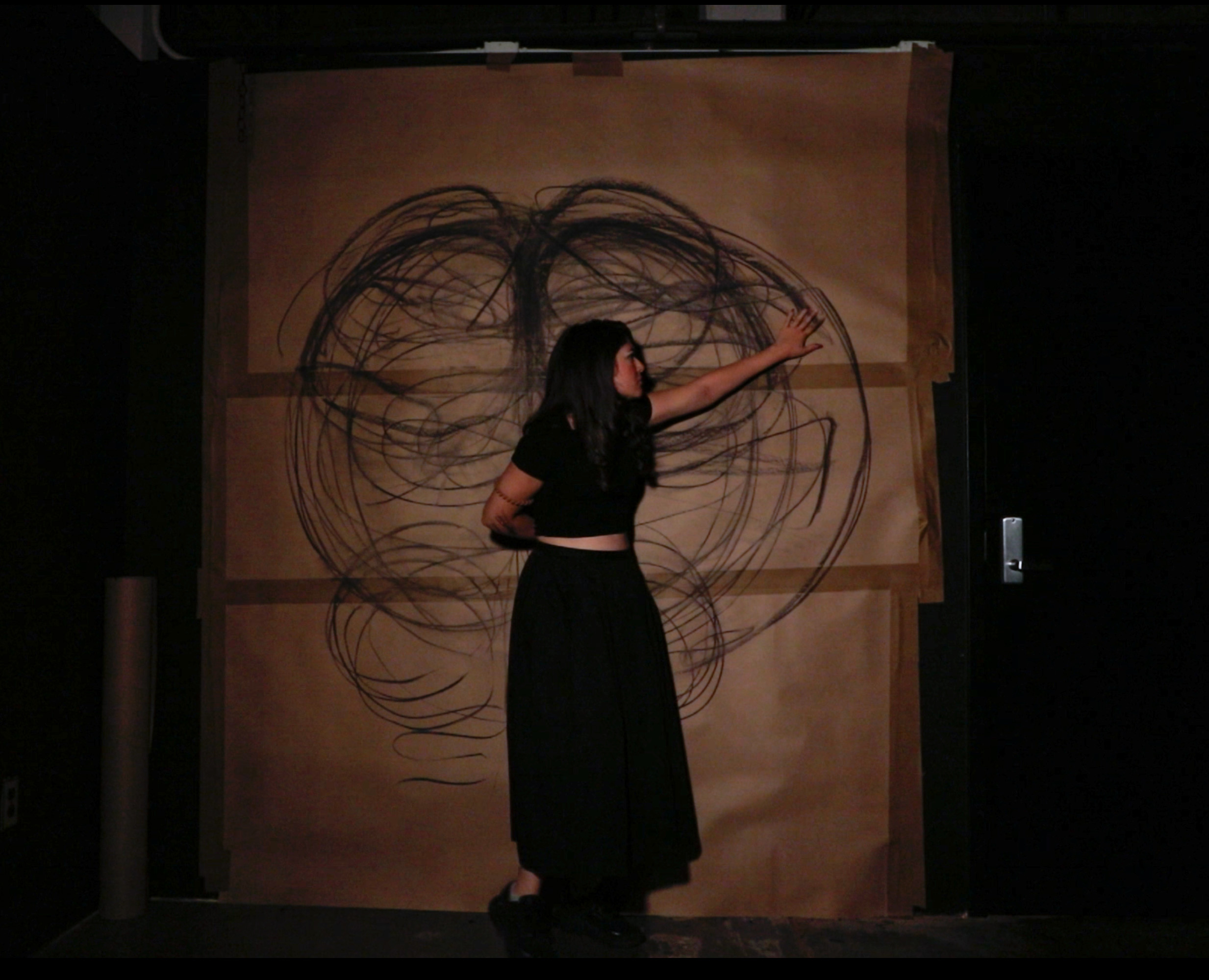
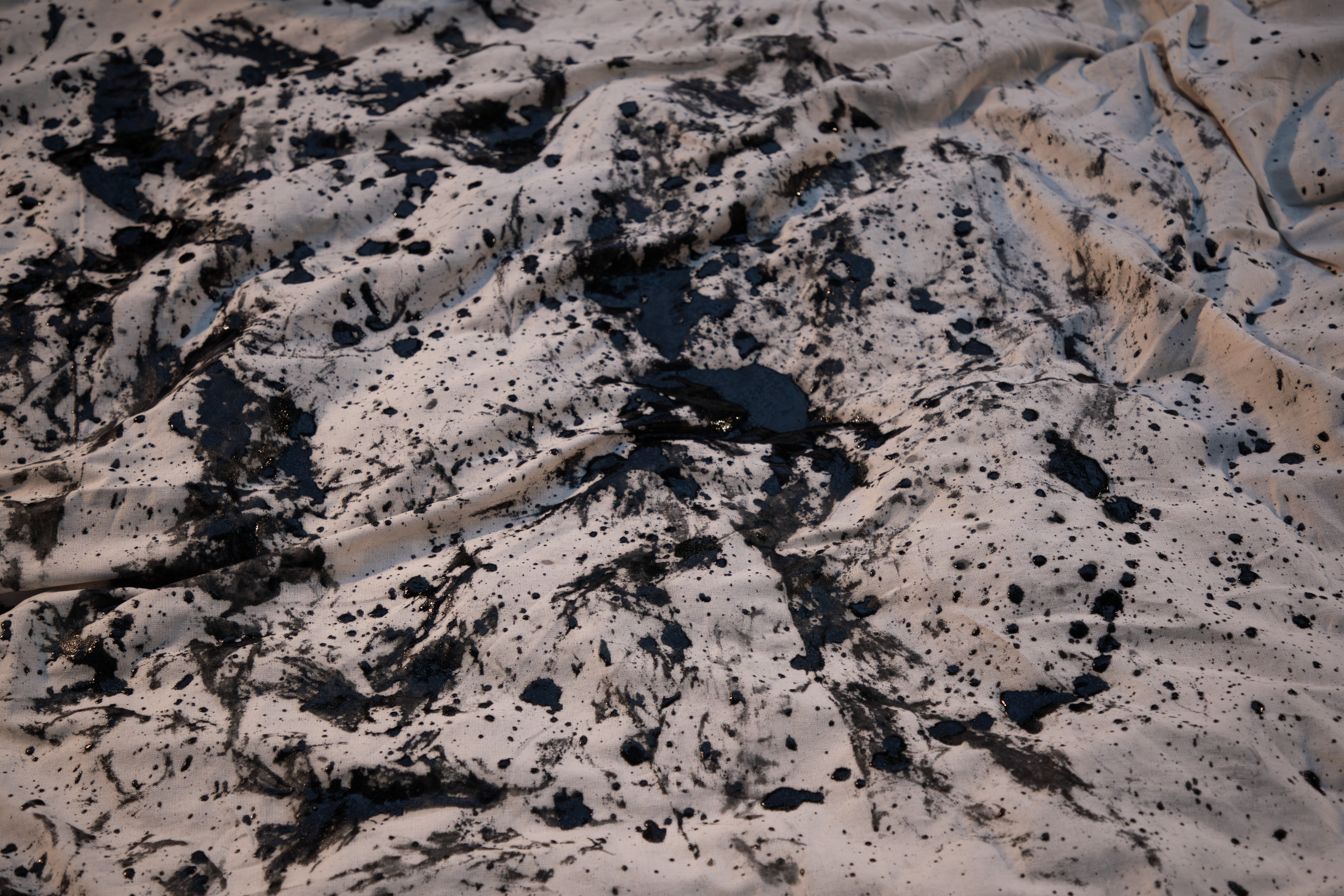
violence and fragility of daily life. In Elegy III, I mix charcoal with oil to evoke petroleum
economies, using my hair as a tool of inscription—transforming a gendered marker into an act of
resistance, survival, and embodied writing.
Elegy I
Elegy II
Elegy III
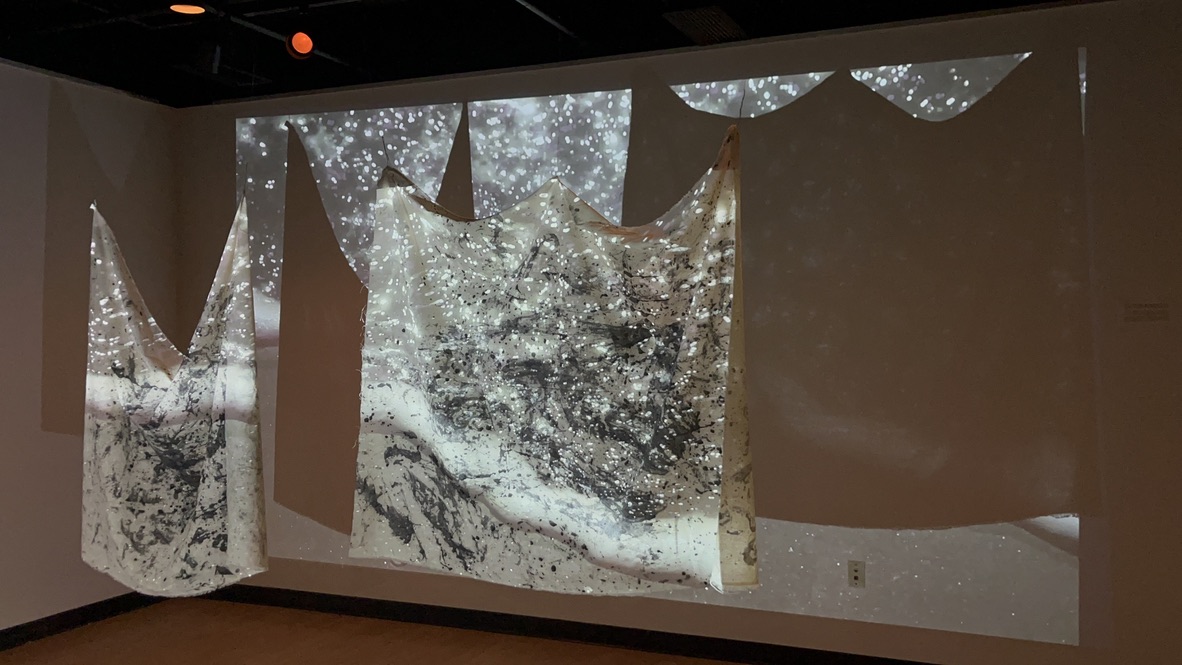
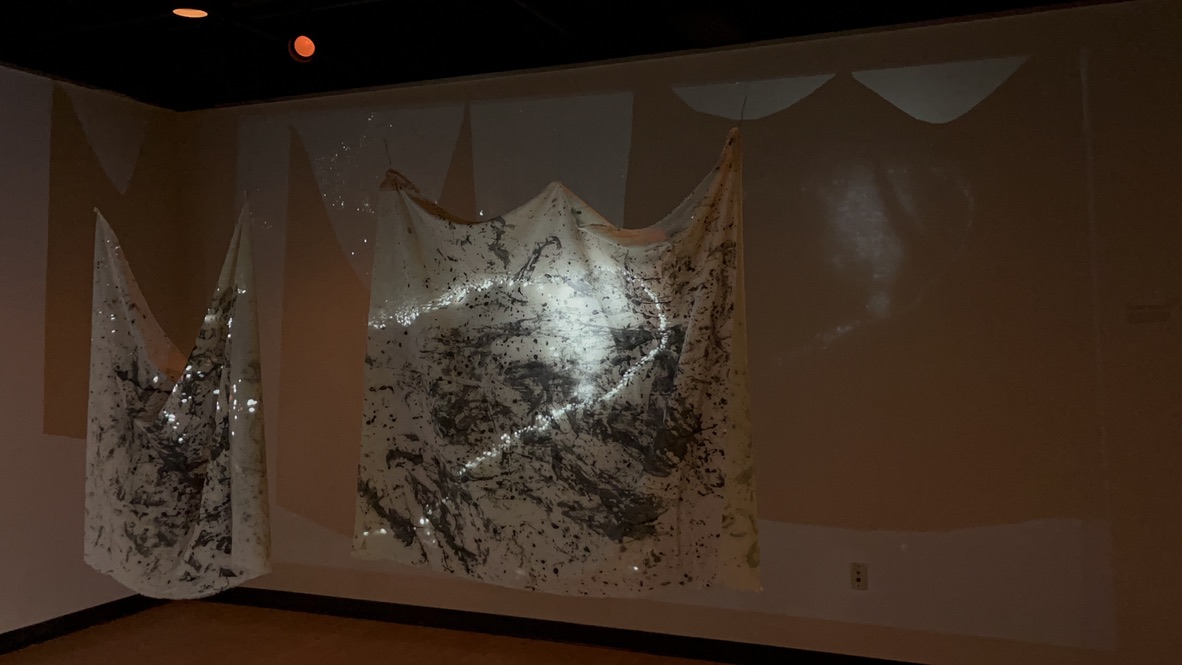
Elegy III — Interdisciplinary Installation
Elegy III is an installation presented in the SIUC gallery, where an experimental video recorded in
the south of Iran along the Persian Gulf is projected onto the same fabrics used in the Elegy III
live performance. My hair becomes an organic brush, inscribing charcoal-and-oil marks that reference
petroleum economies and the political forces that rapidly reshape women’s lives. The layered fabrics
hold these gestures as an archive, reflecting how environmental and political shifts inscribe
themselves onto the feminine body and alter its presence across generations.
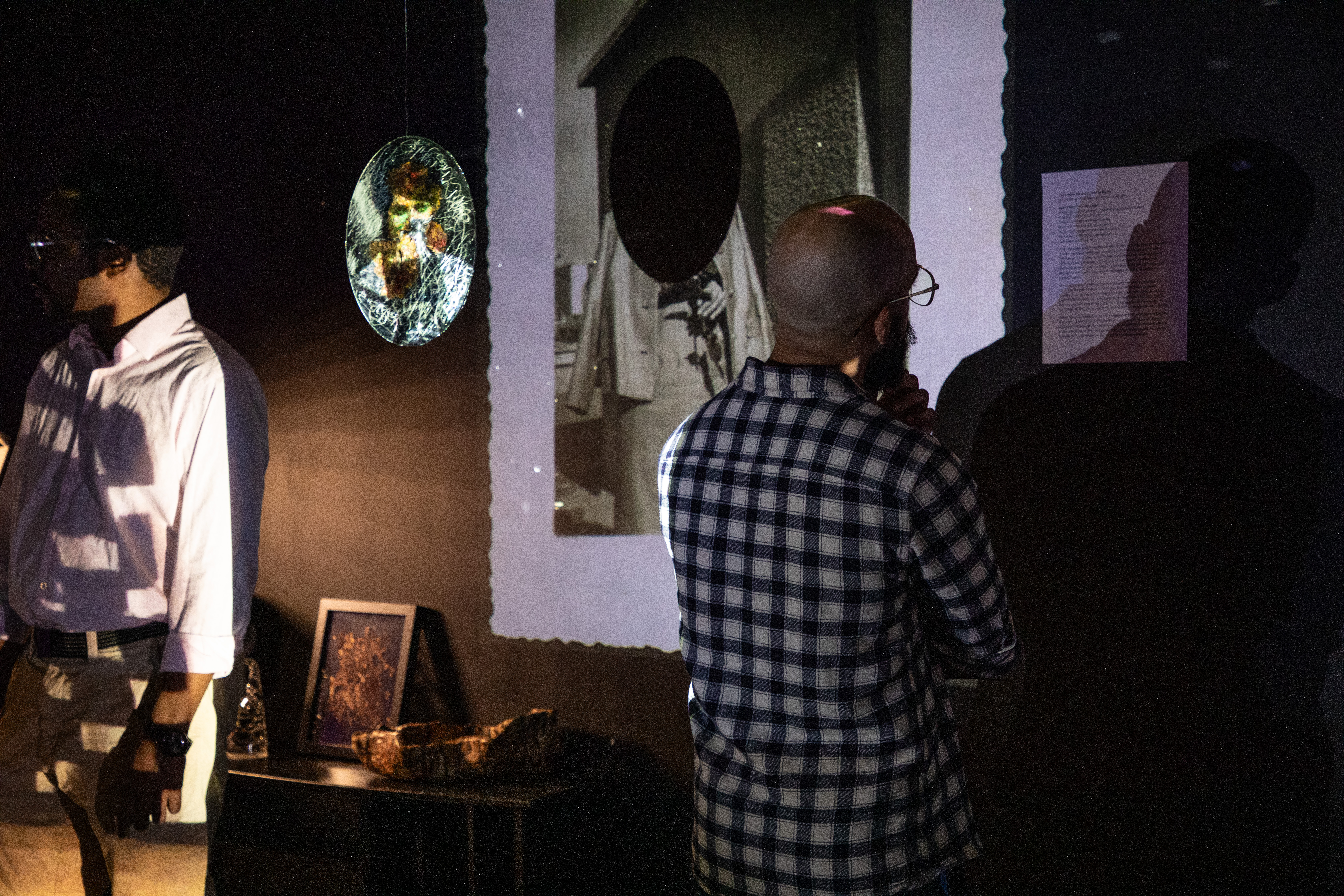
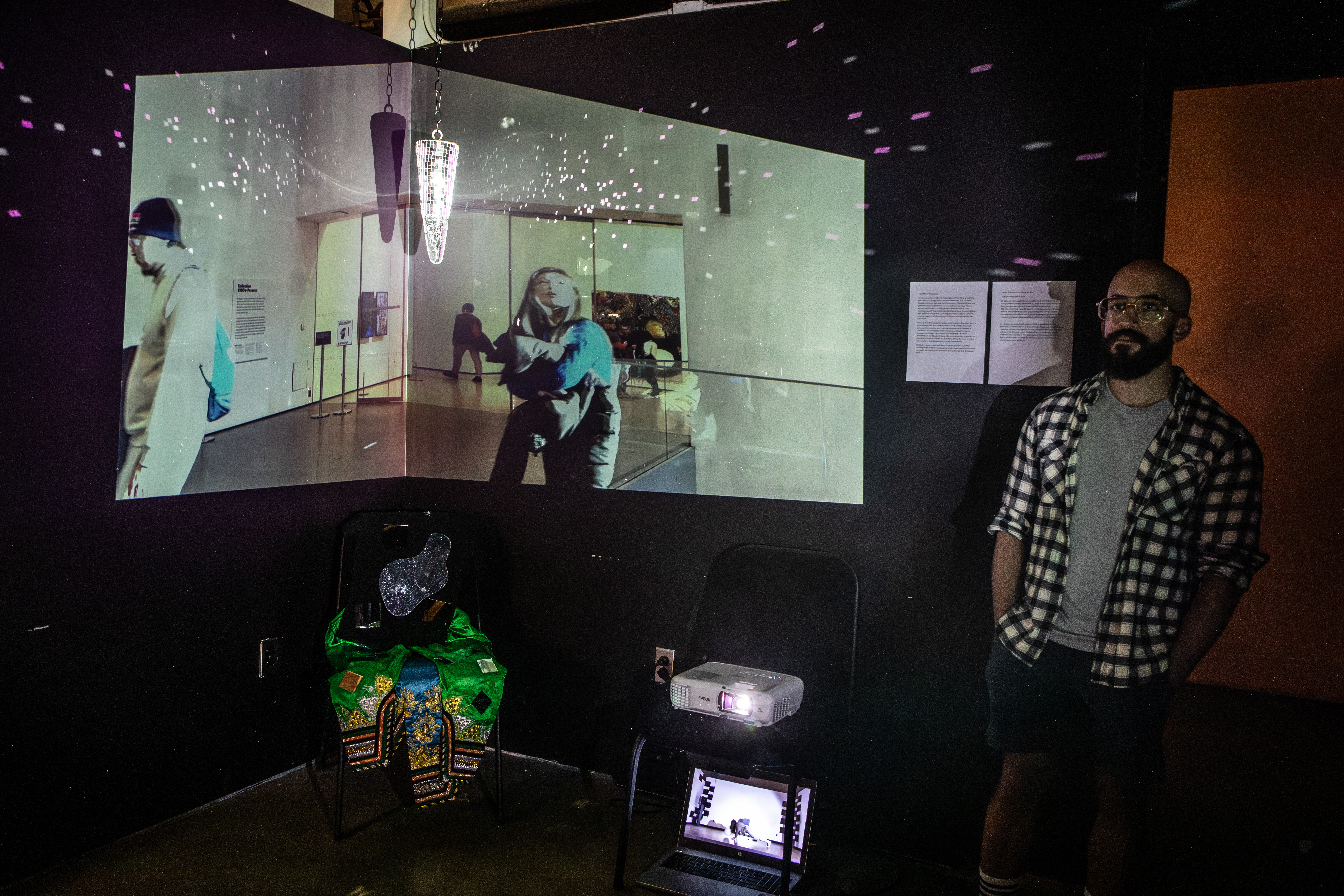
Open Studio — Interdisciplinary Installation
Open Studio is an intergenerational installation that uses family archives, projection, and sculptural
distortion to examine how political upheaval in Iran reshaped women’s visibility and survival. At its
center is a projected portrait of my grandmother in 1960s Tehran—images that could no longer be shown
publicly after the Revolution—allowing me to explore identity through Iran’s contemporary past and its
shifting social and environmental conditions. Her face is fractured through a suspended mirror, echoing
erasure and the altered presence of women in public life, and ultimately asking: Am I allowed to look?
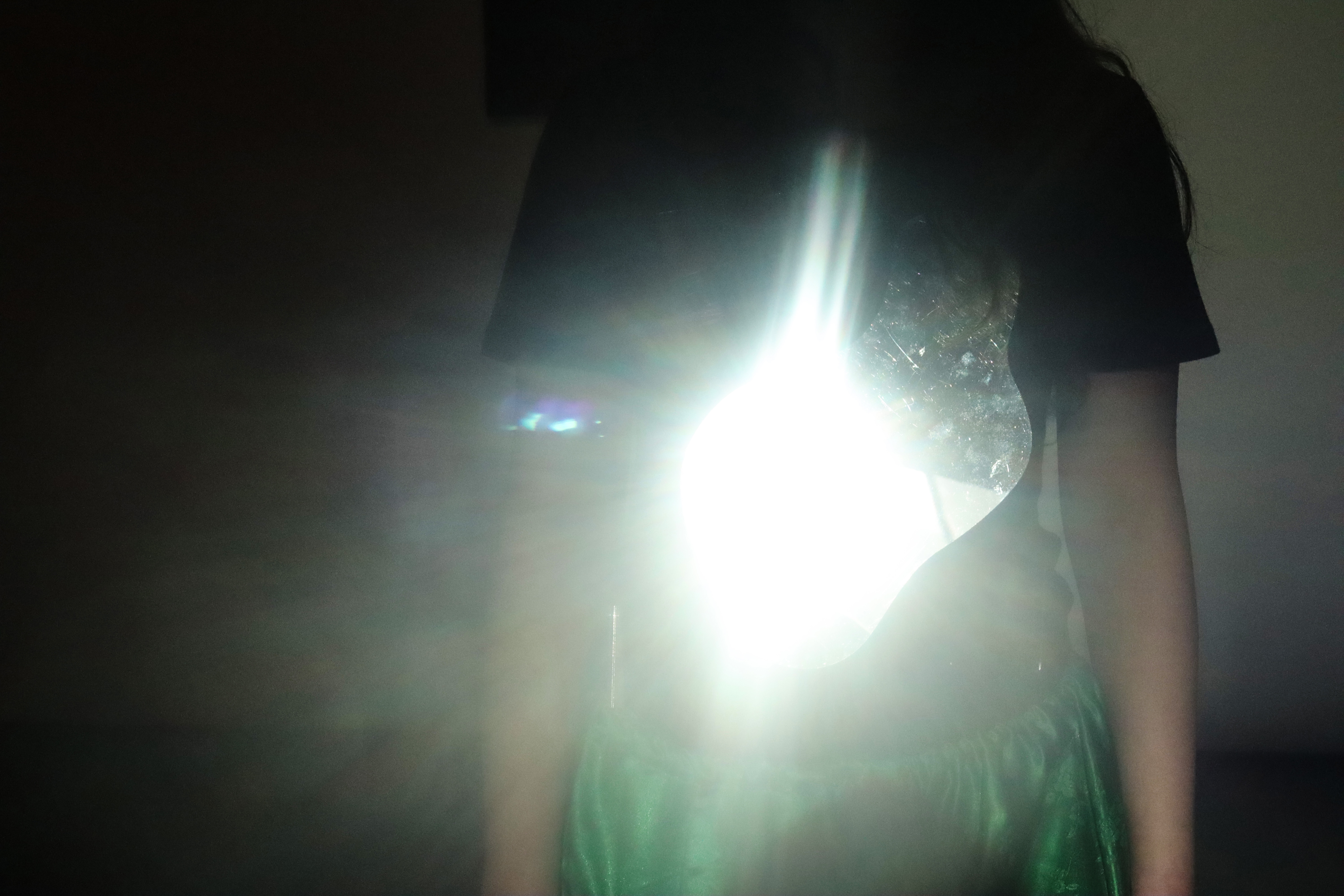
A second projection casts documentation of “The Other” performance onto clothing and a hand-built,
missile-like glass disco ball, where distorted reflections gesture toward the manipulation of war and the
fragile human lives caught within it.
Marz (Border)
(In Persian, marz means border)
Marz is a recent time-based performance that frames the body as a living border shaped by ongoing wars
and the accelerating climate crisis. Through endurance, mediated gestures, and the act of shouting rising
temperatures, the work reflects on survival and collective memory. Our voices were recorded live and later
composed into a sound collage, extending the performance’s urgency. The audience was free to pass by,
pause, or stay.
Interactive Digital Projects
Two interactive web-based works exploring body-based interaction and audience-driven navigation.